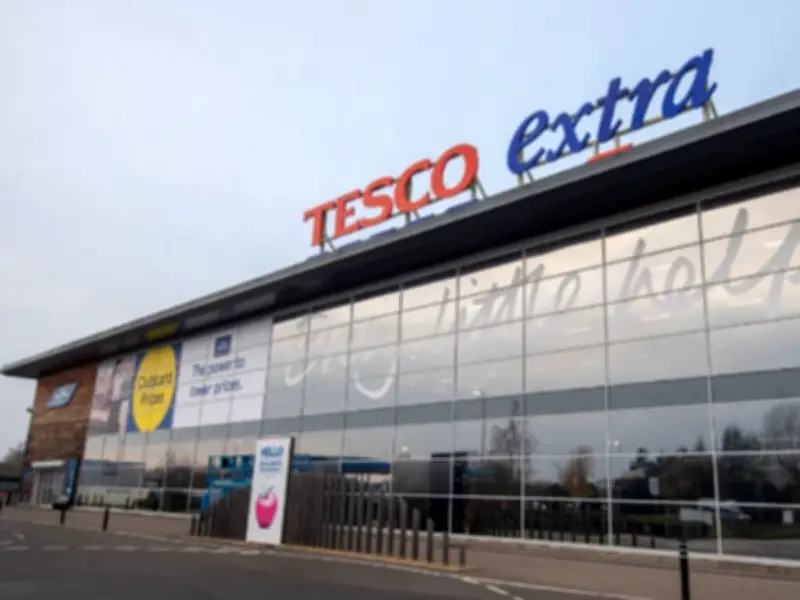
Tesco is set to introduce a new delivery rule from 6am tomorrow, waiving delivery fees for over 250,000 customers. The supermarket is removing charges on its Whoosh rapid delivery service for all orders of £25 or more between June 11 and June 17.
Whoosh Delivery Service
Whoosh allows customers to order groceries and household essentials from their nearest Tesco store and have them delivered in as little as 20 minutes. This service is designed for last-minute needs, such as forgotten essentials for hosting or snacks for a big week of football.
Francesca Jones, head of Whoosh at Tesco, said: "We know there are times when customers need groceries and household essentials quickly, whether that's a last-minute top-up, forgotten essentials for hosting, or snacks for a big week of football. By offering free delivery on orders over £25 for a limited time, we're making it even easier for customers to enjoy the great value they expect from Tesco, with the speed and convenience of Whoosh."
Promotion Details
Delivery charges are typically applied to all Whoosh orders, but under this promotion, the fee will be removed automatically at checkout once the minimum spend is reached. The offer does not require a promo code and will be available for eligible orders placed between 6am on June 11 and 11.59pm on June 17.
Support for Farmers
In related news, Tesco is calling for industry, retailers, and innovators to collaborate to help farmers adopt low carbon fertilisers at scale. This initiative aims to improve UK food security and create stability for British farmers. Speaking at London Tech Week, UK CEO Ashwin Prasad will discuss how innovations like UK-produced low carbon fertilisers can reduce emissions and help farmers weather supply chain shocks. He will highlight the barriers many face in adopting new technologies and the need for more targeted support.
Low carbon fertilisers offer a more price-stable, domestically produced alternative, with the price gap narrowing as conventional fertiliser prices have risen. However, many farmers cite lack of widespread supply and difficulty in accessing funding for trials as key barriers to switching.