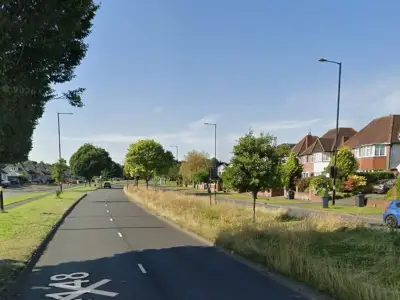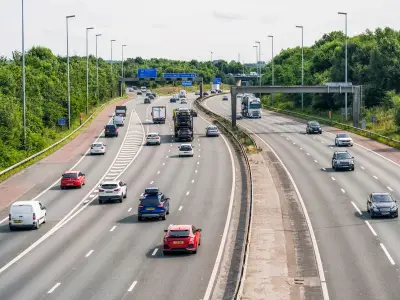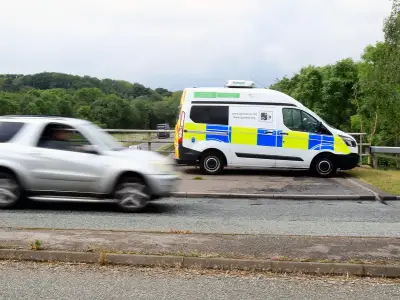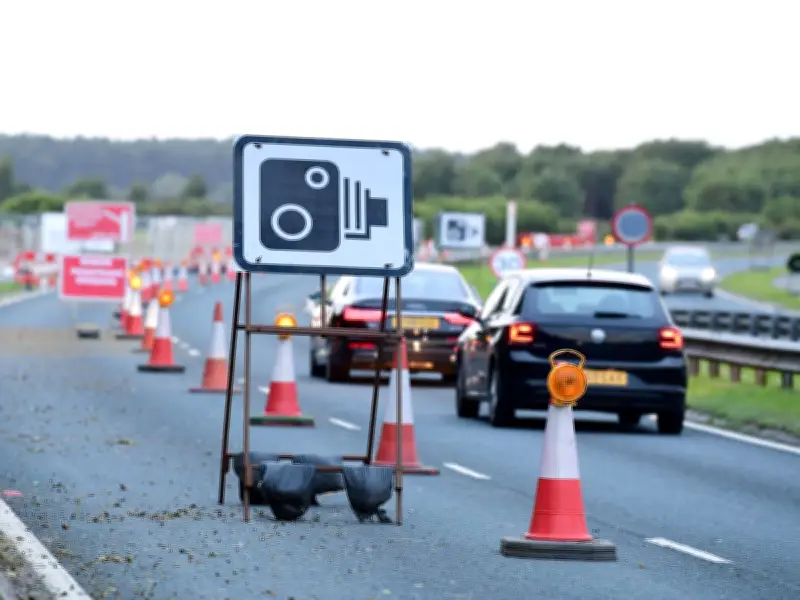
A town in the West Midlands has been named as a speed camera hotspot with an average of 1.79 per square mile. Tipton came fourth on a list of towns in the UK with the most mobile and permanent speed cameras.
National rankings and city comparisons
Research found that Bradford topped the list of UK cities with 2.18 cameras per square mile, 13% more than London, despite being a fraction of its size. The West Yorkshire area has taken one of the most assertive approaches to road safety in the UK, pairing its dense camera network with 20mph zone rollouts, and it sits nearly 40% above the average density of the other cities in the top ten.
London ranks second at 1.93 cameras per square mile, but its sheer scale sets it apart with 671 cameras in total, more than eight times Bradford's count. Transport for London has combined near-blanket 20mph limits with expanded enforcement infrastructure across the capital, and recent data suggests that these measures have significantly reduced road casualties within the capital.
Other West Midlands cities
Coventry is the most camera-dense major city outside London and Bradford, with 243 cameras and a density of 1.57 per square mile, 23% lower than London, but nearly 38% higher than Sutton at tenth. Birmingham as a whole came 12th on the list with 1.08 speed cameras per square mile.
Driver behaviour and speeding trends
According to Zego, when roads are clear 43% of car drivers admit to exceeding the limit on 30mph roads. On 20mph roads, that figure jumps to 76%.
Psychologist Dr. Gandolfi commented on the factors influencing speeding: "Generally, it is likely that key factors include lighter traffic, more recreational driving, and drivers may perceive a lower likelihood of encountering enforcement measures. In some sub-groups, particularly younger drivers, passengers are more likely to be in the vehicle with the driver during evenings and weekends, increasing the risk of peer pressure affecting driver decision making and increasing risky behaviour. Also, at night, there is a higher likelihood of the effects of fatigue and alcohol/drugs, which affect drivers’ judgment of their own speed and appropriate speeds for the conditions. Night driving also presents increased challenges in gathering visual information from the traffic environment, particularly in less built-up areas with lower ambient light levels. Older drivers are more likely to experience difficulties with glare and reduced contrast sensitivity when driving in low-light conditions."
Speed awareness course referrals double
Reports show that speed awareness course referrals have more than doubled in just over a decade. According to the UK government's latest vehicle compliance statistics, 1.84 million drivers attended a course in 2024, a 3% rise on the previous year and a 139% increase on 2011 figures.