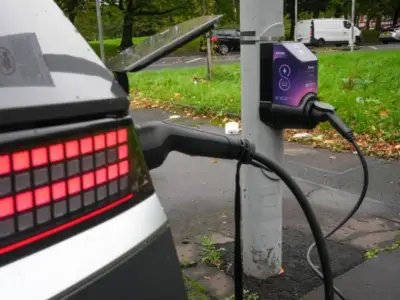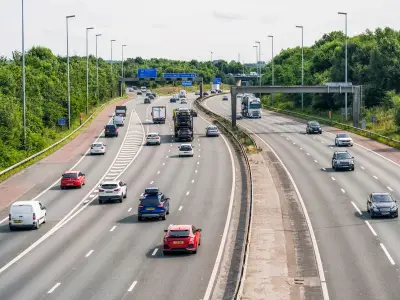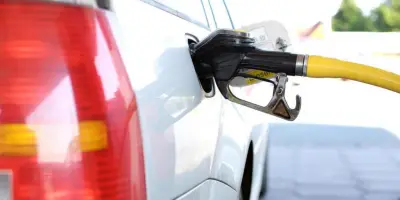
Three in 10 drivers are ready to give up their petrol and diesel cars amid £20 price rises for motorists, according to the latest RAC poll. The survey shows 30 per cent say they are more likely to consider an electric vehicle (EV) next time as a direct result of high fuel prices brought about by the Iran conflict.
Fuel Costs Remain Elevated
Pump prices remain far above pre-war levels. The average cost of filling a petrol family car is still £13 higher than in late February, and an equivalent diesel car is £20 higher. This has forced 62 per cent of drivers to cut back on other expenditure to afford refuelling.
Younger drivers aged 17 to 34 are much more likely to reduce other spending, with a third of this group doing so significantly. Over half of all drivers say they’ve reduced the amount they’re driving because of the war, with 14 per cent doing so significantly. Among younger drivers, 68 per cent have cut down on driving.
RAC Comments on Shift to EVs
RAC senior policy officer Rod Dennis said: “This year is proving to be a record year for EV registrations, and our latest figures show the ongoing conflict in the Middle East is steering ever more drivers towards one next time they change.
“After all, having a vehicle that doesn’t run on petrol or diesel can make a lot of financial sense, especially for those who can charge up cheaply at home.
“But there’s no getting away from the fact the Iran war is casting a growing shadow over the millions of households who rely on petrol and diesel cars.
“So many drivers tell us they’re having to cut back on other spending just to afford to keep their cars running – which is further confirmation, as if it was needed, of just how car-dependent we are as a nation.
“Younger drivers are unfortunately feeling the pain more than any other age group, with a third cutting back on other spending significantly so they can afford to fill up their cars, and around a quarter using their cars less to save money.
“And it’s important to remember that every pound spent on fuel is a pound not being spent somewhere else – such as the local high street. So high fuel prices are bad news not just for households, but for the wider economy too.
“The cost of filling up might be falling at the moment, but with no resolution to the Iran war in sight, oil prices remain elevated which is keeping pump prices at a far higher level now than they were in February.
“And there’s a further sting in the tail coming – high fuel and energy costs mean inflation is expected to increase later this year, putting yet more pressure on the wallet.”