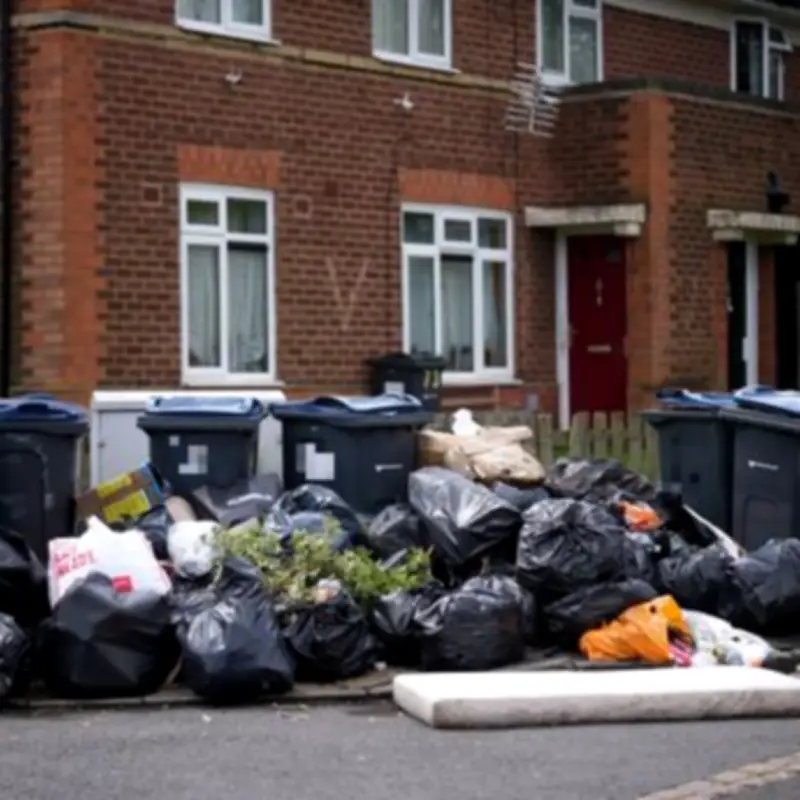
For over a year, the conversation around Birmingham City Council has been dominated by an unglamorous topic: bins. The bins strike, a major talking point in the build-up to last month's local elections, has left residents exasperated with rubbish heaps in their communities and unwanted headlines about their city.
The waste collection situation remains frustrating for many residents, with industrial action dragging on and recycling collections suspended since February last year. Now, there is further uncertainty after the council announced this week that plans to transform the waste service would be put on pause as it awaits new political leadership. Simply put, urgent action is needed on Brum's bins from whoever takes charge in the coming days.
Even before the strike began in January 2025, bin collections were described as patchy. In the build-up to May's elections, former council leader John Cotton acknowledged that the waste service in the city has not been good enough for a very long time. That is why the council was planning to transform the waste service, an endeavour that would improve reliability and finally provide a service residents need and deserve.
This project involved moving to fortnightly collections of household rubbish, introducing a second recycling bin, and weekly food waste collections. The rollout of these major changes was delayed last year due to the strike and pushed back to June 2026, with the council previously saying they would go ahead regardless of the strike situation. However, the council revealed on Monday that the transformation, including the return of recycling collections, has been put on hold.
“The planned changes to the waste collection service will not progress whilst we await the new political administration of the council,” a council spokesperson said. “We are sorry for any confusion this causes. We are keeping the existing service and will provide a further update once we have a position from the new administration.”
Recent events mean Brummies are now in a situation where the bins strike remains ongoing (though an agreement had been reached before the elections), recycling remains suspended, and the transformation of the waste service has been paused. It is easy to see why people are massively fed up. To ask residents in a huge city like Birmingham to go 16 months without recycling collections is abysmal. On top of that, uncertainty still lingers over the strike and the future of bin collections at a time when areas continue to be blighted by rubbish.
The fury across the city has been palpable this year. “There’s rats – they’re bigger than the cats,” Selly Oak resident Catherine Zinetti said in March, on the one-year anniversary of the all-out strike. “Why should we have to pay petrol money to take the rubbish to the tip when we’re paying our council tax? We’re suffering. You walk down and it stinks, I’m embarrassed to live around here.”
Elsewhere in Lozells, resident Jane Majid described living near a rubbish pile as “diabolical” and said she had also seen “rats as big as cats.” She said issues with waste had plagued her road for around 20 years and got worse due to the strike. “This has been going on for years and years and years. It’s not nice living here – it’s embarrassing when you have relatives coming round.”
The previous Labour administration argued that a fair offer had been made to striking workers, despite claims that they face a pay cut of £8,000 due to the loss of the Waste Recycling and Collection Officer role. But with Labour losing control of the council last month, attention now turns to whoever ends up leading the authority.
The local elections saw the fracturing of Birmingham’s politics, meaning no party had even half the numbers needed to take control. Talks have been underway to form a stable coalition, and a meeting has reportedly been scheduled for Friday to decide the next leader and administration. Whoever takes charge must make addressing the uncertainty over waste collection an immediate priority and provide clarity on the bins strike agreement and basic services such as recycling.
Residents across the city want the strike finally resolved, to feel pride in their neighbourhoods, and to have reliable collections and the return of recycling. At an election hustings event, it was reassuring to see all party leaders and individual candidates agree that resolving the bins strike should be a major priority for any future leadership. It is time to translate those promises into action – the city has had enough national headlines about bins and cat-sized rats.