New official data has revealed the quiet corners of Britain's rail network, with a Nottinghamshire halt once again ranking among the country's most underused stations.
A Platform of Solitude
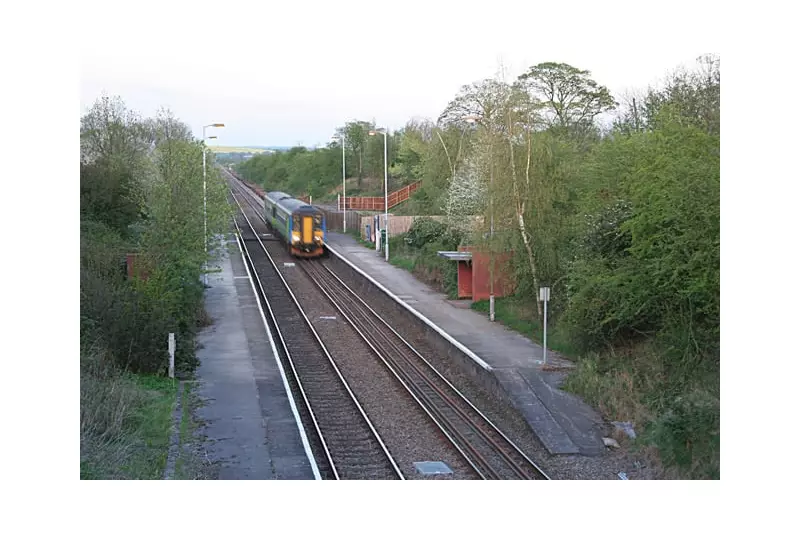
According to statistics released by the Office of Rail and Road, Elton and Orston station recorded just 212 passenger entries and exits during the 2023/24 financial year. The station, situated roughly 15 miles east of Nottingham, is served by a skeleton service of just two trains each day: a 7.04am departure towards Nottingham and a 5.13pm service heading for Skegness.
Facilities at the stop are minimal, with no ticket machine, shop, or toilet available for the handful of travellers. Despite its extremely low footfall, the station has seen a significant increase in usage compared to the previous year. In 2022/23, a mere 56 people were recorded using the platform.

National Context for Quiet Stations
While Elton and Orston's numbers are strikingly low, it was not the absolute quietest in the latest national figures. That dubious honour went to Denton in Greater Manchester, where only 54 entries and exits were logged. The Nottinghamshire station's history stretches back to 1850, meaning it has witnessed busier eras since passenger services first began.
The Future of Rural Halts
The existence of such minimally used stations often sparks debate about the value and future of rural rail connections. Their operation represents a balance between providing a vital, if infrequently used, public service for isolated communities and the practical costs of maintenance and staffing. The notable year-on-year passenger growth at Elton and Orston, albeit from a very low base, may offer a glimmer of hope for its continued service.
The figures highlight the vast disparity in usage across the UK's rail infrastructure, from bustling city termini to peaceful rural stops where the arrival of a train remains a rare event.