British motorists are navigating a significant shift in regulations, with seven key driving law changes taking effect throughout 2026. These updates will impact everything from vehicle tax and licence rules to new road charges and financial redress schemes.
Tax Changes and New Charges for Drivers
The financial landscape for vehicle ownership is evolving. Vehicle Excise Duty (VED) rates increased in line with Retail Price Index inflation from April 2026. The standard annual rate rose from £190 to £185. However, the first-year VED rate for the most polluting new petrol and diesel cars saw a much steeper rise, adding thousands to initial costs.
In a landmark change, owners of electric cars and hybrid vehicles began paying VED for the first time, as long-standing exemptions officially came to an end. This move aims to create a fairer tax system as electric vehicle adoption grows.

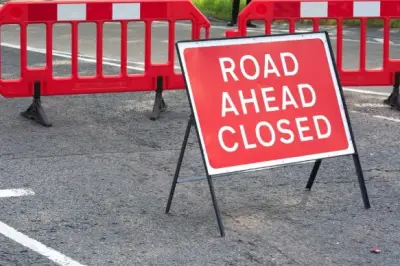
On a local level, a new congestion charge was introduced in October 2026 across six streets in Oxford. This temporary scheme charges car drivers £5 per day to pass through points on Hythe Bridge Street, St Cross Road, St Clement's Street, Thames Street, Marston Ferry Road, and Hollow Way. Clear signage alerts drivers as they approach these zones within the city's ring road.
Licence Updates and Major Infrastructure Tolls
From August 1, 2026, a new agreement simplified the process for Moldovan citizens living in the UK. Thanks to a Memorandum of Understanding between the two nations, they can now exchange their Moldovan driving licence for a British one without needing to pass a theory or practical test. The exchanged licence will reflect the same transmission type—manual or automatic—as the original.
Significant changes also arrived at two crucial Thames crossings. At the Dartford Crossing, user charges saw their first increase for all vehicles since 2014, implemented to manage growing demand on this vital eastern link.
Meanwhile, the Blackwall Tunnel introduced tolls for the first time as part of wider Transport for London (TfL) changes. Alongside the new Silvertown Tunnel, charges were applied to prevent congestion from diverting entirely to one free route. Drivers of cars and small vans now pay £4 each way during peak hours.
Industry Regulations and Vehicle Updates
The long-running car finance scandal moved towards a resolution. Following a Supreme Court ruling in August 2025 that limited some compensation claims, the Financial Conduct Authority (FCA) proposed a formal redress scheme. This plan, which could cost lenders around £9 billion, is expected to deliver average payouts of £700 per affected finance agreement to drivers who were mis-sold deals.
In London, taxi licensing rules tightened. From October 1, 2026, all new taxi driver licence applicants must pass the Safety, Equality and Regulatory Understanding (SERU) assessment. TfL states this new test, covering fares, equality, disabilities, and licensing rules, is designed to keep both passengers and drivers safe.
Finally, the biannual number plate change continued as usual, with new '26' plates launched in March and '76' plates following in September, often prompting dealership discounts on outgoing models.