The government has launched a new national traffic light system to rank every local council in England on their performance in tackling potholes and maintaining roads. The initiative, which directly links future funding to these ratings, is designed to pressure councils into more efficient and proactive work.
The New Rating System Explained
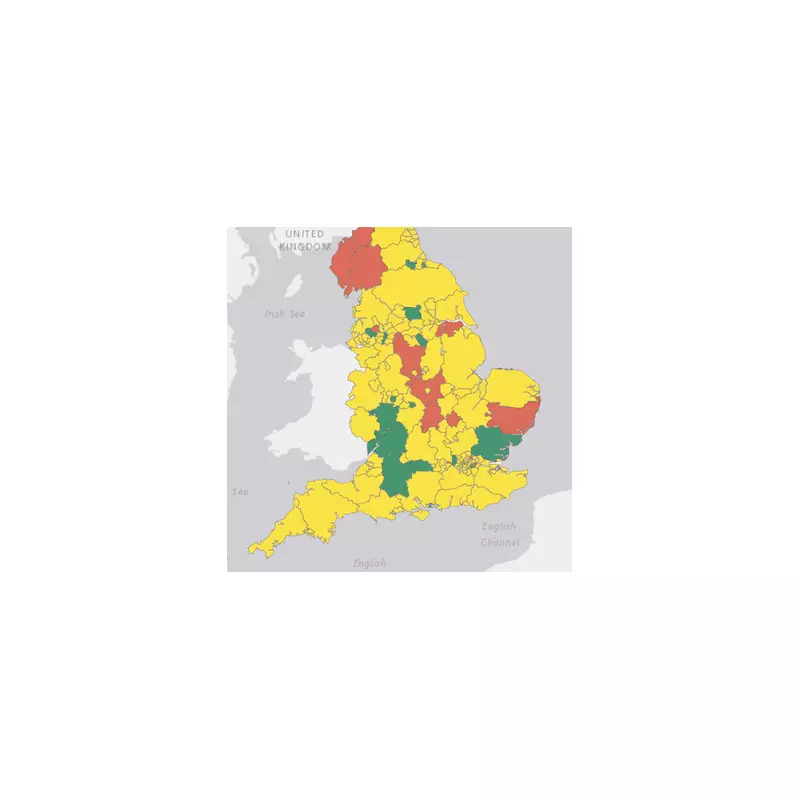
Under the scheme, each local highway authority has been given a red, amber, or green rating. This grade is based on three critical areas: the overall condition of local roads, the amount spent on repairs, and whether councils are following established best practice in highway maintenance.
The Department for Transport revealed the interactive map, stating it would serve as a public "incentive" for better roads. Future access to national funding will be tied to these performance ratings, aiming to ensure councils "get on with the job" and use taxpayer money more effectively to prevent potholes from forming in the first place.

How the West Midlands Performed
For drivers in Birmingham who have long complained about the state of the city's roads, the news is mixed. Birmingham has been graded amber, indicating there is significant room for improvement. This amber rating is shared with other Black Country authorities: Walsall, Wolverhampton, Solihull, and Dudley.
Nearby, Worcestershire received a green rating, while Warwickshire is also amber. Leicestershire was marked red, meaning it is "not yet meeting the expected standards" in one or more measured areas.
Authorities with a red rating will receive government support, backed by £300,000 worth of expert planning and advice, to help them align with best practices.
Funding and Accountability
The new ratings follow a record £7.3 billion multi-year investment handed to councils for road maintenance. The government stated this funding was intended to allow for long-term preventative measures rather than expensive, short-term pothole repairs.
To ensure transparency, 25% of a £500 million funding uplift for local highway authorities this financial year was withheld until they published detailed reports on their compliance with best practice. This £125 million was unlocked at the end of last year for councils that submitted satisfactory reports.
Transport Secretary Heidi Alexander said: "For too long, drivers have paid the price because our roads were left to deteriorate... We’ve put our money where our mouth is. Now it’s over to them to spend the money wisely, and for the first time, we are making sure the public can see how well councils are doing."
Reaction from Motoring and Cycling Groups
The move has been welcomed by industry bodies. Edmund King, AA president and a founding member of the Pothole Partnership, said the initiative to hold authorities to account should promote more permanent repairs.
Caroline Julian of British Cycling, another Pothole Partnership founder, emphasised the critical safety issue for cyclists, stating: "One unexpected impact can cause a serious crash, life-changing injury or, in the worst cases, a fatality." She called the mapping tool a positive step for holding decision-makers accountable.
Simon Williams, RAC Head of Policy, added: "These new ratings are a positive move that will help drivers understand how councils are performing... We hope this initiative, plus the promise of longer-term funding, means we’re finally on the way to having smoother, better roads."
The government estimates the average vehicle repair bill from pothole damage is around £320, with some motorists facing costs exceeding £1,000 last year.