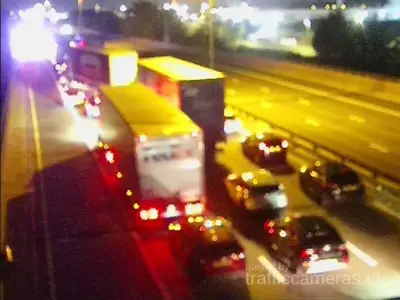
Ealing Council has launched a public consultation on ambitious proposals to introduce a lane rental scheme across some of the borough's most congested roads. The initiative aims to significantly reduce the disruption caused by ongoing roadworks by imposing substantial daily charges on utility companies and contractors.
How the Proposed Lane Rental Scheme Would Operate
Under the new scheme, the council would be empowered to charge a daily fee for roadworks, with the amount directly linked to the traffic volume on each specific road. The maximum proposed charge is set at £2,500 per day per road, making it one of the most substantial financial deterrents of its kind in London. However, the council has clarified that lower fees would be applicable on less busy routes, ensuring the charges are proportionate to the level of disruption caused.
Primary Objectives and Expected Benefits
The core purpose of the lane rental scheme is twofold. Firstly, it seeks to encourage all companies undertaking roadworks to schedule their activities during less busy periods, such as evenings or weekends. Secondly, it aims to incentivise contractors to complete their works as swiftly and efficiently as possible, minimising the duration of lane closures and associated traffic delays.

Furthermore, the council hopes the scheme will promote greater collaboration between different utility companies. By coordinating their projects, multiple sets of works could be carried out simultaneously, preventing the same stretch of road from being dug up repeatedly over a short timeframe.
Alignment with Broader Transport Strategies
This proposal is not an isolated measure. It actively supports key actions outlined in Ealing Council's own transport strategy and aligns with the London Mayor's wider ambition to expand lane rental schemes across the capital. The overarching goal is to maintain efficient and safe transport networks within the borough.
By reducing congestion caused by protracted roadworks, the council believes the scheme will contribute to a cleaner, greener, and safer local environment, with smoother traffic flow leading to lower vehicle emissions and improved air quality.
Next Steps and Governance
The current consultation period is a critical step in the process. Once concluded and the subsequent report published, Ealing Council will seek final approval from the Department for Transport (DfT) before the scheme can be implemented.
The council has committed to open and transparent governance procedures and is likely to collaborate with Transport for London and neighbouring boroughs to establish a consistent, London-wide governance process. All relevant documents will be published in accordance with DfT requirements.
Residents and stakeholders are invited to submit their comments on the proposals by emailing streetworks@ealing.gov.uk or writing to the Network Management Team at the Highways Department before the deadline of Monday, 23 February 2026.