Understanding Vehicle Tax Exemptions and Upcoming Changes
While certain vehicles are exempt from paying DVLA road tax, owners must still register their vehicles even when no payment is required. From April 2026, significant car tax changes will take effect, meaning some drivers could pay up to £640 annually. These developments follow Chancellor Rachel Reeves's announcements in the Autumn Budget regarding substantial modifications to the UK car tax system.
Vehicles Exempt from Road Tax
Several vehicle categories qualify for complete exemption from vehicle tax, though registration remains mandatory. The GOV.UK website confirms that owners of vehicles falling into these categories are not liable for payment, while others must continue paying. The full list of exempt vehicles includes:
- Vehicles used by disabled persons: You can claim disability exemption when applying for vehicle tax, but only for one vehicle at a time if you own multiple vehicles. The exemption can be removed if the vehicle is no longer used by a disabled person.
- Disabled passenger vehicles: Organizations providing transport for disabled people are exempt, though this exclusion does not apply to ambulances.
- Historic vehicles: Vehicles manufactured before January 1, 1985 qualify for exemption.
- Mobility vehicles and powered wheelchairs: Exemption applies to vehicles with a maximum road speed of 8mph and devices limiting them to 4mph on footways.
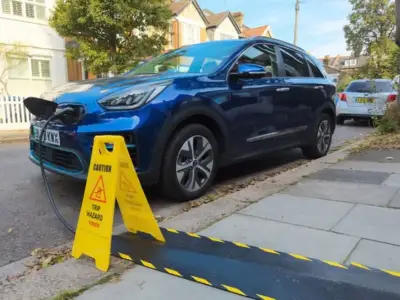
- Electric vehicles: To qualify, electricity must come from external sources like chargepoints, electric storage batteries not connected to power when moving, or hydrogen fuel cells. Hybrid electric vehicles do not qualify. Since April 1, 2025, electric cars, vans, motorcycles, and tricycles have required vehicle tax, with only heavy goods vehicles over 3,500kg remaining exempt.
- Mowing machines: Specifically designed grass-cutting mowers are exempt, though tractors towing gang mowers do not qualify.
- Steam vehicles: All steam-powered vehicles are exempt from tax.
- Vehicles for agriculture, horticulture, and forestry: These specialized vehicles qualify for exemption.
Major Car Tax Changes Effective April 2026
Starting April 1, 2026, the standard tax rate for all petrol, diesel, or hybrid cars registered after April 1, 2017 will increase to £200. According to motoring specialists at RAC Drive, choosing a 6-month payment plan will cost £110, or £105 if paid via direct debit. Opting for 12 monthly instalments brings the total to £210.
Vehicles with an original list price exceeding £40,000 (or £50,000 for electric cars) may also be subject to luxury car tax. This currently adds £440 to annual Vehicle Excise Duty (VED), potentially pushing the total to £640.
For vehicles first used before 2017, payment amounts may vary. The precise road tax figure depends on registration year, fuel type, and exhaust emissions. To determine your vehicle's tax band, you'll need the registration year from your V5C logbook, along with fuel type and CO2 emissions information.
Future Changes for Electric Vehicles
From April 2028, drivers of electric and plug-in hybrid vehicles will face increased tax charges as a new pay-per-mile eVED (Electric Vehicle Excise Duty) system is introduced. This represents a significant shift in how electric vehicles are taxed in the UK.
Complete details regarding UK car tax bands, VED rates for 2026/2027, and other forthcoming changes are available through online resources like Confused.com. Vehicle owners are advised to stay informed about these developments to properly budget for upcoming tax obligations.