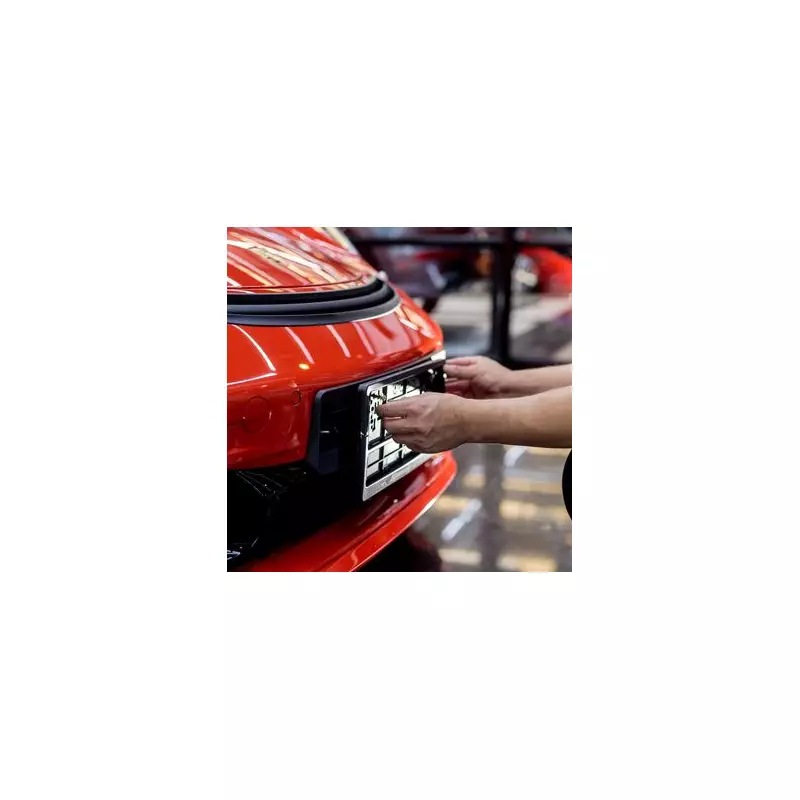
Motorists across the UK are being warned they could face severe penalties, including a £1,000 fine, as the government launches a major crackdown on illegal licence plates.
What Are the New Penalties for Illegal Plates?
The Labour government is proposing significantly harsher punishments for drivers who break number plate regulations. The updated penalties, which could be introduced soon, may include penalty points on a driving licence and even the seizure of vehicles by the Driver and Vehicle Standards Agency (DVSA). This move specifically targets the rising issue of so-called 'ghost plates' and other non-compliant registrations.
Graham Conway, Managing Director at Select Car Leasing, highlighted that many drivers may be unaware their plates are illegal. "It’s important for drivers to understand the nuances of what’s required," he stated, noting that even minor modifications can lead to trouble.

Understanding the Strict DVLA Rules
The Driver and Vehicle Licensing Agency (DVLA) sets very specific requirements for all UK number plates. Key rules that drivers must follow include:
- A reflective colour scheme: white background with black characters on the front and a yellow background with black characters on the rear.
- The use of a standard, easily readable font introduced in September 2001.
- Plates must be made from a durable, reflective material.
- The manufacturer's name and postcode, plus the British Standard number (BS AU 145e for plates fitted after 1 September 2021), must be displayed.
While certain customisations like 3D (raised) characters, approved flags, and a green flash for zero-emission vehicles are permitted, the rules are strict. Characters must not be removable or reflective, and 3D letters must be black and non-reflective.
Lights and Modifications That Could Land You a Fine
The regulations extend beyond the plate itself to its illumination. Licence plate lights must be white and are forbidden from having aftermarket tinted LED lenses. The bulbs must not be visible, and the light must illuminate the plate evenly without casting shadows.
"Any modifications around their licence plate that could make it unreadable are also considered illegal," Conway emphasised. This includes the use of 'ghost plates', which are modified to be invisible or unreadable to Automatic Number Plate Recognition (ANPR) cameras used by police and traffic enforcement.
Failure to comply will not only risk the substantial fine but also result in an automatic MOT failure. Experts urge drivers to only purchase replacement or custom plates from DVLA-registered suppliers and to check the official guidelines if they are uncertain about their plate's legality.