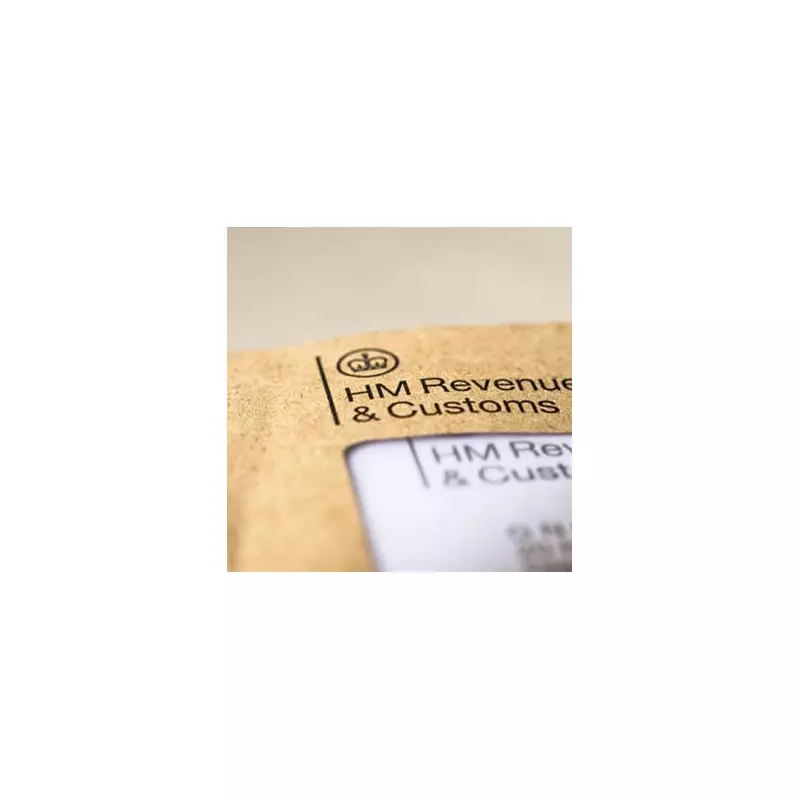
Households across the United Kingdom are being urged to keep a close eye on their post, as HM Revenue and Customs (HMRC) issues millions of P800 tax calculation letters.
What is a P800 letter and why does it matter?
These official letters inform taxpayers if they have paid the incorrect amount of income tax over the previous financial year. You could be entitled to a tax refund, technically known as a rebate, if you have paid too much. Conversely, the letter might also state that you owe more money to the taxman.
In a recent social media post on X, the platform formerly known as Twitter, HMRC prompted taxpayers with the question: "Think you’re owed a tax refund?" The department also highlighted that people can manage their money and tax easily with the official HMRC app.
How many people are affected by tax miscalculations?
This is not a minor issue affecting a small group. A significant report by Kantar for HMRC in 2022 indicated that large numbers of people in the UK pay either too much or too little tax every year.
The scale is substantial. The report revealed that HMRC issues around 3.5 million P800 tax overpayment notices to taxpayers annually, a figure based on the 2021 data.
The P800 letter is a crucial document that clearly details whether you need to pay more tax or if you are eligible for a rebate. It specifies the exact amount of money involved and explains how any payment or refund will be processed.
Common reasons for overpaying tax
According to official guidance on Gov.uk, you may be able to get a tax refund if you've paid too much. Common scenarios that lead to overpayment include:
- Job-related expenses for working from home, fuel, work clothing, or tools.
- Interest from savings or payment protection insurance (PPI).
- Income from a job, a Self Assessment tax return, or a redundancy payment.
- Money from a life or pension annuity, foreign income, or a UK pension.
- UK income earned before leaving the country or if you live abroad.
If you receive a P800 letter confirming an overpayment, HMRC will typically send you a refund automatically within 14 days, often via a direct transfer to your bank account or a cheque. It is vital to review the letter carefully to ensure all your details are correct and to understand your financial position with the tax authority.