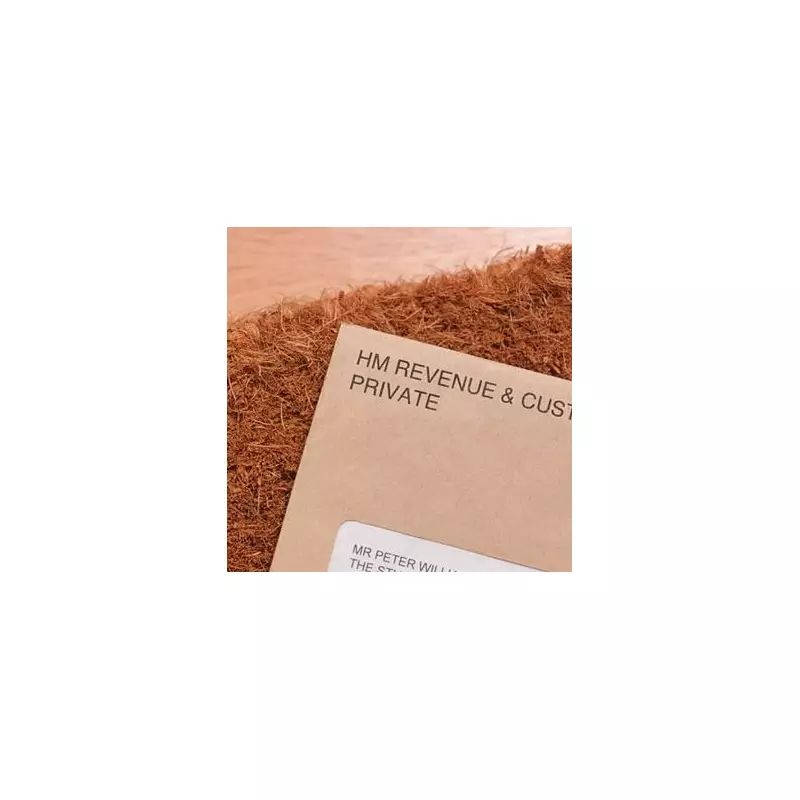
Millions of taxpayers across the UK are set to receive a small financial reprieve after HM Revenue and Customs (HMRC) confirmed a reduction in the interest it charges on overdue bills.
Interest Rates Fall in Line with Bank of England
The change follows the Bank of England's decision to cut its base rate from 4% to 3.75% on 18 December 2025. HMRC's interest rates are legally tied to this benchmark. Consequently, the rate applied to late payments for self-assessment and other taxes will drop from the current 8% to 7.75%. This new rate will take effect from 9 January 2026.
Late payment interest is calculated as the Bank of England base rate plus 4%. The rate paid by HMRC to individuals who have overpaid their tax, known as repayment interest, will also decrease. It will fall to 3.5%, as it is set at the base rate minus 1%, with a statutory minimum of 0.5%.

Critical January Deadline Looms for Self-Assessment
This update arrives just weeks before the crucial 31 January 2026 deadline for online self-assessment tax returns. Taxpayers must both file their return and pay any tax owed by this date to avoid penalties and the newly reduced interest charges.
The penalty regime for missing the filing deadline is strict and escalates quickly:
- An immediate £100 fine for missing the January 31 deadline.
- After three months, daily penalties of £10 per day, up to a maximum of £900.
- After six months, a further penalty of 5% of the tax owed or £300, whichever is greater.
- The same 5% charge is applied again after 12 months.
Separately, for unpaid tax, additional fines are levied at 30 days, six months, and 12 months, each adding another 5% of the outstanding amount.
Support for Those Struggling to Pay
For taxpayers concerned about settling their bill, HMRC offers a Time to Pay arrangement. This payment plan can be set up online if you owe less than £30,000 and can clear the debt within 12 months. It is designed to help individuals and businesses manage their tax liabilities without facing immediate enforcement action.
You are typically required to complete a self-assessment return if you are self-employed, a partner in a business, a landlord receiving income from property, a high earner subject to the High Income Child Benefit Charge, or if you have other significant untaxed income.
While the interest rate reduction offers minor relief, experts strongly advise meeting the January deadline to avoid costly penalties that far outweigh the interest saved.