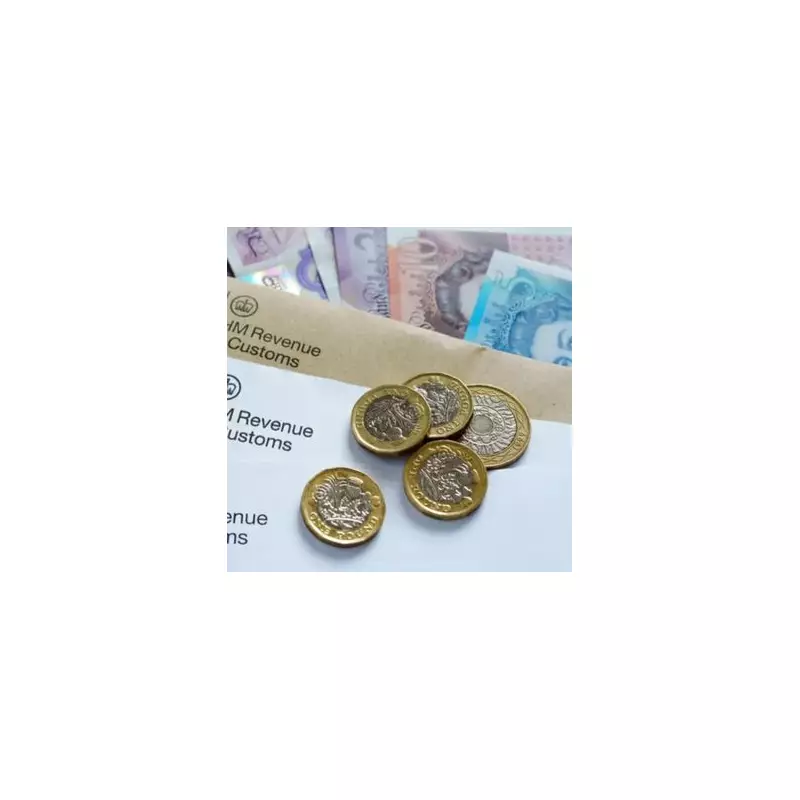
In a major push to tackle tax evasion, HM Revenue and Customs (HMRC) is set to offer millions of pounds to whistleblowers who provide information leading to the recovery of unpaid taxes. The new initiative, expected to be announced by Chancellor Rachel Reeves in her Autumn Budget on November 26, marks a significant shift in the UK's approach to closing the tax gap.
The Multi-Billion Pound Tax Gap
The scale of the problem is substantial. According to official HMRC estimates, the Treasury loses approximately £47 billion every year due to the tax gap. This represents the difference between the tax owed to the Exchequer and what is actually collected, meaning around 5 per cent of all tax due is never paid.
Chancellor Reeves has emphasised the unfairness of this situation, particularly during a cost of living crisis. She stated in a previous address to MPs: “When working people are paying their taxes while still struggling with the cost of living, it cannot be right that others are still evading what they rightly owe in tax.”
A New Reward Scheme for Informants
The forthcoming scheme will fundamentally change how HMRC compensates individuals, referred to as 'informants' by the Treasury, who report tax fraud. Under the new rules, whistleblowers will be entitled to receive a percentage of the total tax recovered from a successful case.
While the exact percentage will be revealed in the Budget, The Telegraph reports that an informant could potentially receive tens of millions of pounds if their information leads to the recovery of hundreds of millions in unpaid tax. James Murray, Chair of HMRC's board, confirmed that the scheme could result in informants taking home 'a significant amount of compensation'.
Increasing Reports but Falling Payouts
The need for a more attractive reward system is highlighted by recent data. Analysis by accountancy firm Price Bailey, obtained through Freedom of Information rules, shows that public willingness to report fraud is at an all-time high.
In the 2024-25 financial year, there were 164,670 reports made to HMRC's fraud hotline channels, a 9% increase from the previous year. Despite this surge in reports, the financial rewards paid out have slumped. Last year, HMRC awarded just £852,438 to whistleblowers, a decrease of 13 per cent since 2023-24.
This drop in payouts occurred even as report numbers climbed, and the UK's existing scheme has been criticised as being far less generous than similar programmes abroad. The new percentage-based model is designed to directly address these criticisms and create a powerful new incentive for the public to come forward.
The Autumn Budget on November 26 will provide the full details of this aggressive new strategy in the fight against tax fraud.