The government has authorised local authorities across England to implement new traffic management systems that have sparked significant controversy among motoring organisations and political opponents. These developments come as part of broader moves toward creating "15-minute cities" where residents can access essential services within a quarter-hour walk or cycle from their homes.
Controversial Traffic Management Expansion
Local councils will now be permitted to access driver licence databases maintained by the DVLA to impose financial penalties on motorists who violate newly established "traffic filter" regulations. These filters restrict vehicular movement through designated zones during specified operating hours, representing a significant shift in how urban transportation is managed.
Oxford's Pioneering Pilot Scheme
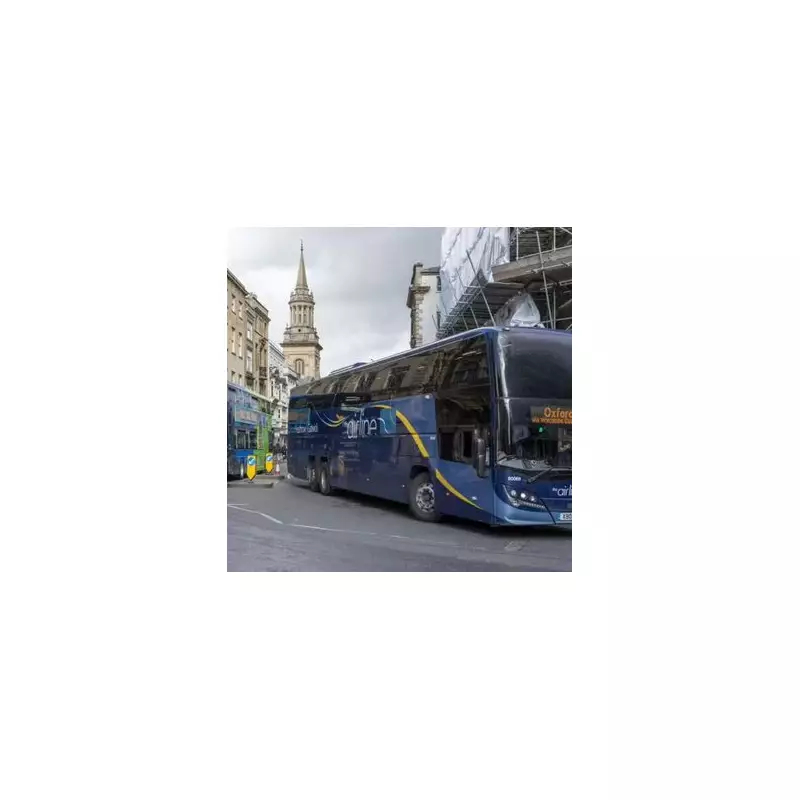
Oxford has emerged as the testing ground for these proposals, with the historic city divided into six distinct "15-minute neighbourhoods." Under this experimental framework, drivers must obtain special residents' permits that grant them 100 days of free travel annually through the six traffic filters during operational periods. This system represents one of the most comprehensive attempts to reconfigure urban mobility patterns in recent British history.
Political and Public Opposition
Greg Smith, the Conservative Party's shadow transport minister, has voiced strong objections to these developments. "This is the blueprint for a national rollout," he stated. "Labour has given the green light for draconian councils like Oxfordshire to police how people live, move and drive, using cameras and fines backed by DVLA data. Oxford is the test case, but this is Labour's blueprint for the country."
Duncan White, director of the Alliance of British Drivers, offered even more scathing criticism, describing 15-minute cities as an "abomination." He characterised the approach as "perverse" and "Stalinist" in its implications for social control, adding: "It is an encroachment on civil liberties, and it is a page out of the East Germany playbook. With the 15-minute city, you will have to, in effect, apply for an internal passport to go and visit your granny. From a civil liberties perspective, it is nonsensical. From an operational point of view, it is bizarre."
Economic and Practical Concerns
Jack Cousens, head of roads policy at the AA, raised practical objections to the scheme, emphasising the continued importance of private vehicles in British transportation. "What local authorities sometimes struggle to remember is that the car remains and continues to remain the main method which people use to travel around our country," he noted.
Cousens further explained: "Cars coming into the town centres generate a huge amount of parking revenue for local authorities, and the local high street is dependent on strong, consistent footfall, and cars are probably the easiest way for people to get in and out of town centres. We don't want barriers that harm the national economy and the local economy."
Government Defence of Local Authority Powers
A Department for Transport spokesperson defended the policy, stating: "Local councils use DVLA data to help keep our roads safe and crack down on dangerous driving. How they use this information is up to each council, so it works best for their communities." This position emphasises local decision-making while acknowledging the expanded enforcement capabilities now available to municipal authorities.
The debate surrounding these traffic management measures reflects broader tensions between urban planning objectives, individual mobility preferences, and concerns about governmental overreach. As Oxford continues its pilot programme, other English cities are closely monitoring both the implementation challenges and public response to these controversial transportation policies.