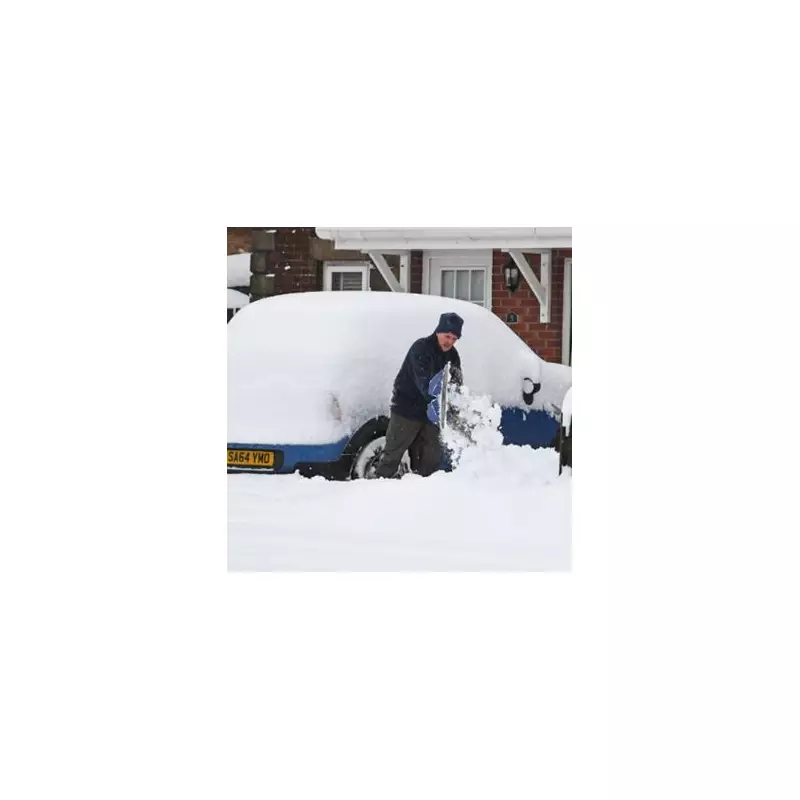
A major Arctic weather front, stretching over 500 miles, is poised to strike the United Kingdom this week, triggering a prolonged period of snowfall and plunging temperatures.
Widespread Snowfall and Freezing Temperatures Forecast
The latest meteorological data indicates that the cold snap will make landfall on Wednesday, 28 January 2026, blanketing a vast swathe of the country. The wintry conditions are expected to persist for approximately 72 hours, potentially lasting until Saturday, 31 January.
This new bout of disruptive weather follows closely on the heels of the chaos caused by Storm Goretti. The Met Office has outlined a complex battleground scenario for the period from 24 January to 2 February, where Atlantic systems will clash with high pressure to the north.

Regional Snowfall Predictions and Impacts
The forecast predicts significant regional variations in snowfall depth. Scotland is braced for the most severe conditions, with accumulations potentially reaching a staggering 25 inches in some areas.
In England, the Midlands is set for notable disruption. Birmingham and the wider West Midlands could see up to three inches of snow on Wednesday. Concerns are mounting that by Saturday, 31 January, snowfall in the Midlands may intensify, with depths potentially climbing to seven inches.
Nationally, temperatures are forecast to plummet towards freezing next week, exacerbating travel hazards. The Met Office warns that while milder air may occasionally push into southern and western regions, the overall trend will be towards colder conditions, bringing a risk of snow, particularly over hills in Scotland and northern England.
Preparing for Prolonged Disruption
The anticipated 72-hour snowfall event signals a period of significant disruption for transport and daily life across the UK. Residents are urged to monitor official forecasts from the Met Office and prepare for potential travel delays, school closures, and cold weather impacts.
The extended forecast suggests further spells of rain or showers, which could be heavy and persistent in the south and west, while the far north may experience drier interludes.