The £735 Tax Trap Forcing UK Cars Off the Road
A significant number of vehicles across the United Kingdom are being effectively written off due to a punitive tax regime targeting older, higher-emission models. The issue centres on Vehicle Excise Duty (VED), with hundreds of thousands of drivers facing steep annual charges that make keeping their current cars financially unviable.
How the Vehicle Excise Duty Bands Work
Cars emitting more than 225 grams of CO2 per kilometre are subject to the highest bands of VED. The current structure imposes an annual charge of £430 for vehicles producing 201-225g/km, a £735 fee for those in the 226-255g/km bracket, and £750 for anything over 255g/km.
Critically, these rates are scheduled to increase from April 2026. The £735 band is set to rise to £760, while the top rate for over 255g/km is expected to climb to £790. This impending hike adds further pressure on owners of affected vehicles.
Everyday Family Cars in the Firing Line
The tax trap is not confined to luxury or performance vehicles. It is ensnaring a wide range of ordinary family cars that were once common on British roads. Models frequently cited as being written off as a result include:
- Ford Mondeo
- Saab 900
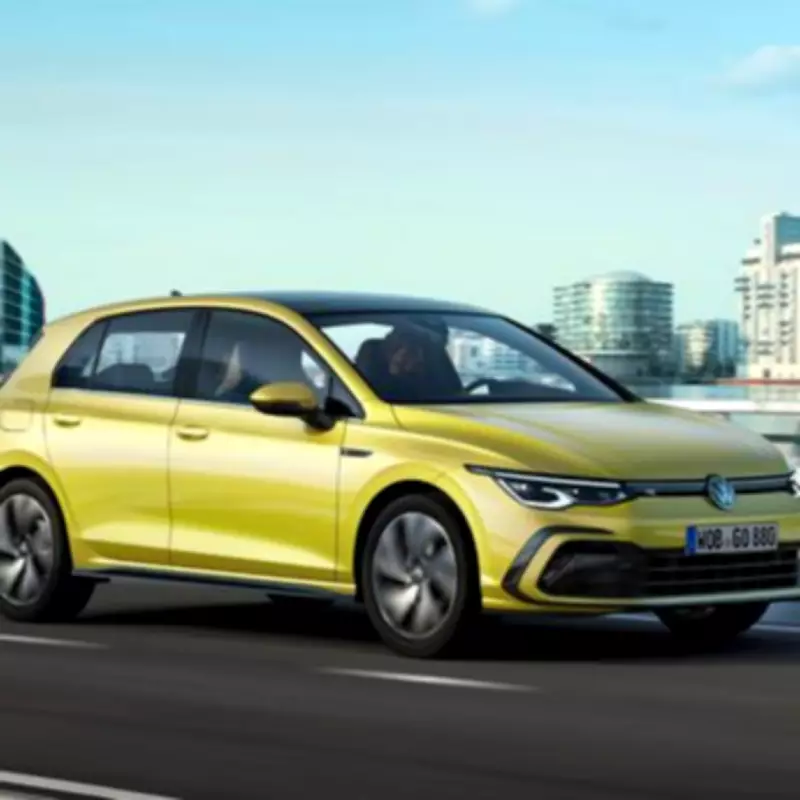
- Volkswagen Golf
- Vauxhall Zafira
This situation is exacerbated by a reported reluctance among many motorists to transition to newer, often electric, models, leading them to hold onto older vehicles that are now incurring prohibitive tax costs.
The Environmental Argument for Keeping Older Cars
Despite the tax pressure, some environmental experts argue there is merit in maintaining older vehicles. Analysts like Mike Berners-Lee and Duncan Clark suggest that extending a car's operational life can significantly reduce its lifetime emissions per mile.
"With this in mind, unless you do very high mileage or have a real gas-guzzler, it generally makes sense to keep your old car for as long as it is reliable – and to look after it carefully to extend its life as long as possible," they explain. "If you make a car last to 200,000 miles rather than 100,000, then the emissions for each mile the car does in its lifetime may drop by as much as 50%."
This perspective highlights a potential conflict between immediate tax policy aimed at reducing high-emission vehicles and the broader carbon footprint considerations of manufacturing new cars.
Ten Popular Models Caught in the VED Net
The financial impact of VED is clear when examining specific models facing the highest charges. Below is a list of ten popular vehicles and their current or impending tax bands:
- Saab 900 Convertible - £735
- Land Rover Freelander 2 i6 - £760 (from April 2026)
- Audi TT 1.8T - £735
- Ford Galaxy 2.3 - £735
- Jaguar X-Type 2.0-litre Auto - £735
- Subaru Forester 2.5 XT - £735
- Volkswagen Golf R32 - £760 (from April 2026)
- Chrysler PT Cruiser - £735
- Vauxhall Zafira VXR - £735
- Ford Mondeo V6 - £735
The situation presents a complex challenge for UK drivers, balancing environmental goals, personal finance, and the practicalities of vehicle ownership in an evolving regulatory landscape.