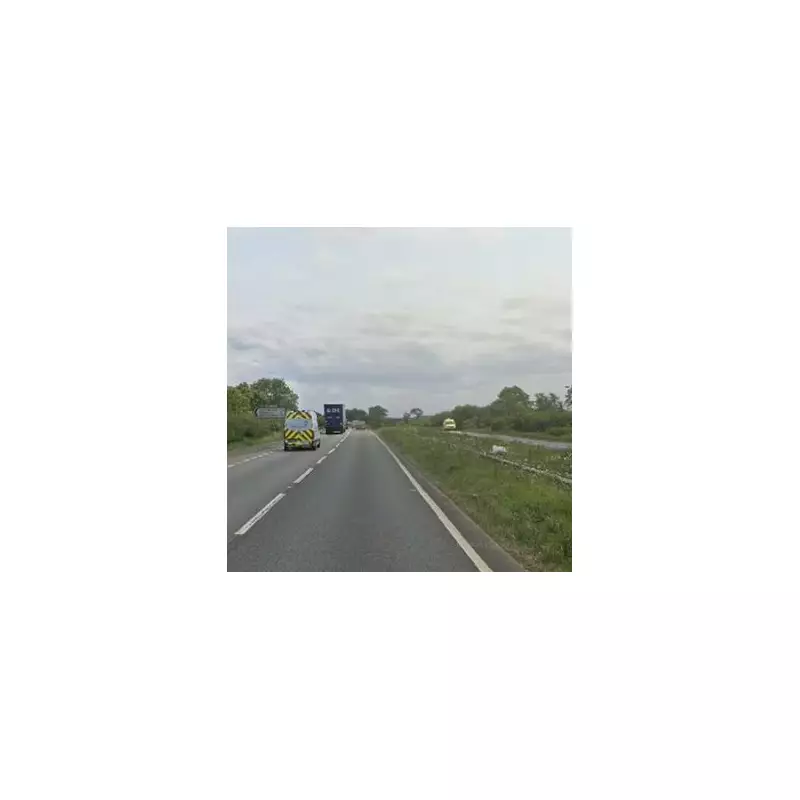
Tragic A1 Crash Claims Life of Seven-Month-Old Boy
A devastating single-vehicle collision on the A1 has resulted in the death of a seven-month-old baby boy, with a coroner now warning that similar tragedies could occur unless immediate action is taken. The infant, identified as Ayan Sediqi, succumbed to a traumatic brain injury sustained during the horrific crash that occurred in freezing conditions.
Fatal Incident on January Evening
The tragedy unfolded at approximately 10.50pm on January 2, 2025, as the family were returning to their Lincolnshire home. According to reports from LincolnshireLive, young Ayan was travelling in the back of the vehicle when the accident occurred. The car had just overtaken another vehicle and was returning to the inside lane when it encountered a dangerous patch of ice.
This ice had formed from water flowing across both southbound carriageways, caused by a blocked drainage pipe adjacent to the road. Upon hitting the frozen surface, the family's vehicle slid uncontrollably across the road into a layby, collided with a tree, and eventually came to rest back on the main carriageway.
Coroner's Investigation Reveals Systemic Failures
Coroner Jayne Wilkes, who concluded inquest proceedings on December 19, 2025, has issued a formal Prevention of Future Deaths report expressing serious concerns about road safety protocols. Her investigation revealed that numerous motorists had witnessed water flowing across the A1 at the collision location from at least the early afternoon of that fateful day.
Multiple accounts from the evening described vehicles skidding on the ice or drivers recognising the dangerous conditions. Despite this, neither Lincolnshire County Council, National Highways, nor Lincolnshire Police had received any reports about the hazardous water or ice on this stretch of the A1 on the day of the accident or during the preceding two months.
The coroner's report also notes that the road did not appear to have been gritted prior to the incident, raising further questions about winter maintenance procedures.
Urgent Call for Improved Reporting Systems
In her detailed findings, Coroner Wilkes stated: "Given the duration and extent of the flowing water and ice on the A1 at the location of this collision, and the considerable number of road users who would have passed over it, I believe there is a significant lack of public awareness regarding who, where, and how motorists should report circumstances presenting immediate danger to road users."
This critical observation highlights a potentially dangerous gap in public communication channels for reporting urgent road hazards. The coroner has formally sent her report to Lincolnshire County Council, National Highways, and Lincolnshire Police, requiring them to address these concerns.
Organisational Responsibilities and Responses
Maintenance responsibility for the A1 falls under National Highways, while Lincolnshire County Council and the Highways Agency share responsibility for road repairs and drainage across the county's road network depending on specific locations and road classifications.
Victoria Lazenby, National Highways Regional Director for the Midlands, responded to the coroner's report stating: "Our deepest sympathies remain with the family of Ayan. We will review the Coroner's report thoroughly and respond within the required deadline."
Both Lincolnshire Police and Lincolnshire County Council have declined to comment further on the ongoing matter at this stage.
Broader Implications for Road Safety
This tragic incident raises important questions about:
- The effectiveness of drainage maintenance on major trunk roads
- Winter gritting and ice prevention strategies
- Public awareness of how to report dangerous road conditions
- Inter-agency communication regarding road hazards
- Response times to emerging dangerous conditions on busy routes
The coroner's intervention serves as a stark reminder of how infrastructure failures combined with severe weather conditions can have devastating consequences. Her warning about potential future deaths unless action is taken adds urgency to what might otherwise be seen as routine maintenance issues.
As the relevant authorities review the coroner's findings, road safety campaigners will be watching closely to see what concrete measures emerge to prevent similar tragedies on Britain's road network.