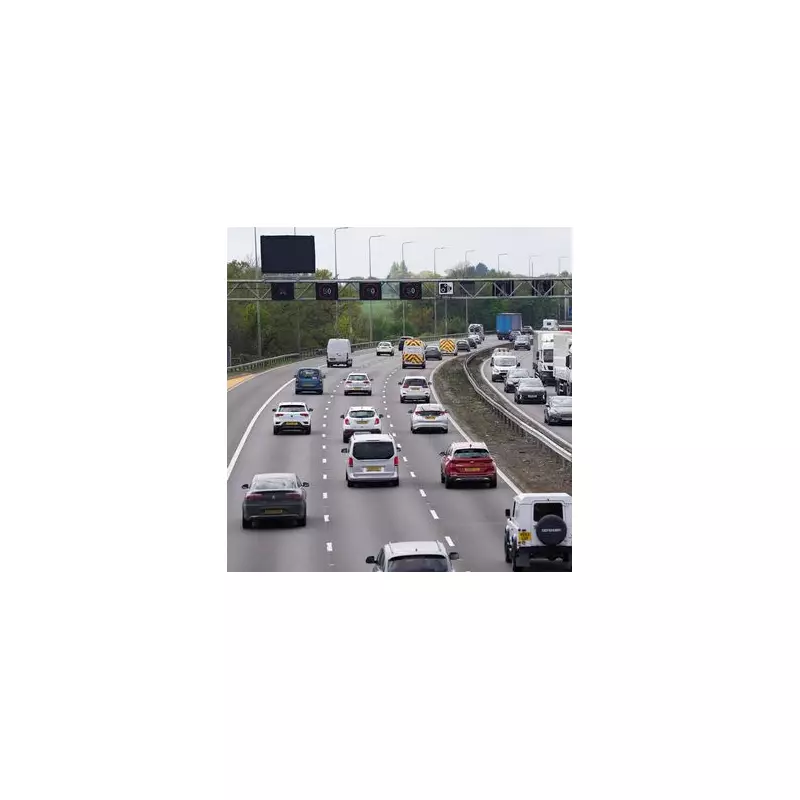
New research has confirmed what many Birmingham commuters already know: the city's traffic problems are getting worse. Drivers in the UK's second city lost an average of 57 hours stuck in congestion during 2025, placing Birmingham firmly among the nation's most gridlocked urban centres.
Birmingham's Congestion Ranking and Key Findings
The latest Inrix Global Traffic Scorecard for 2025 has highlighted Birmingham as one of the UK's top five cities for traffic delays. The data, which analysed nearly 1,000 cities across 36 countries, showed a worrying trend for local motorists. Delays in Birmingham increased by 6% compared to 2024, when drivers lost 54 hours annually.
This rise in congestion means Birmingham finds itself in unwelcome company, alongside London, Manchester, Bristol, and Leeds in the national top five. Interestingly, while Birmingham's delays grew, London—which retained its position as the UK's most congested city—actually saw a reduction in lost hours over the same period.

The City's Notorious Traffic Blackspot
The report singled out one particular route as a major bottleneck for Birmingham traffic. The A441 southbound between Belgrave Middleway and Watford Road was identified as a critical congestion blackspot. According to Inrix's estimates, navigating this stretch during the weekday 4 pm rush hour could cost a driver as much as 40 hours in lost time over a full year.
This specific corridor, a key route through the south of the city, exemplifies the daily challenges faced by thousands of drivers, contributing significantly to the city's overall congestion figure.
The National Picture and Economic Impact
The traffic woes are not confined to Birmingham. The Inrix study revealed that 62% of cities worldwide saw an increase in delays this year. Across the United Kingdom, the average driver lost 59 hours to congestion in 2025.
The financial cost of this gridlock is staggering. Nationally, congestion cost each UK driver approximately £822, culminating in a total economic hit of around £11 billion to the country's economy. This underscores the significant economic and personal productivity drain caused by persistent traffic problems in major urban areas like Birmingham.
The data presents a clear challenge for city planners and transport authorities. With delays increasing year-on-year, addressing Birmingham's congestion—particularly on notorious routes like the A441—will be crucial for improving the quality of life for residents and supporting the region's economic vitality.