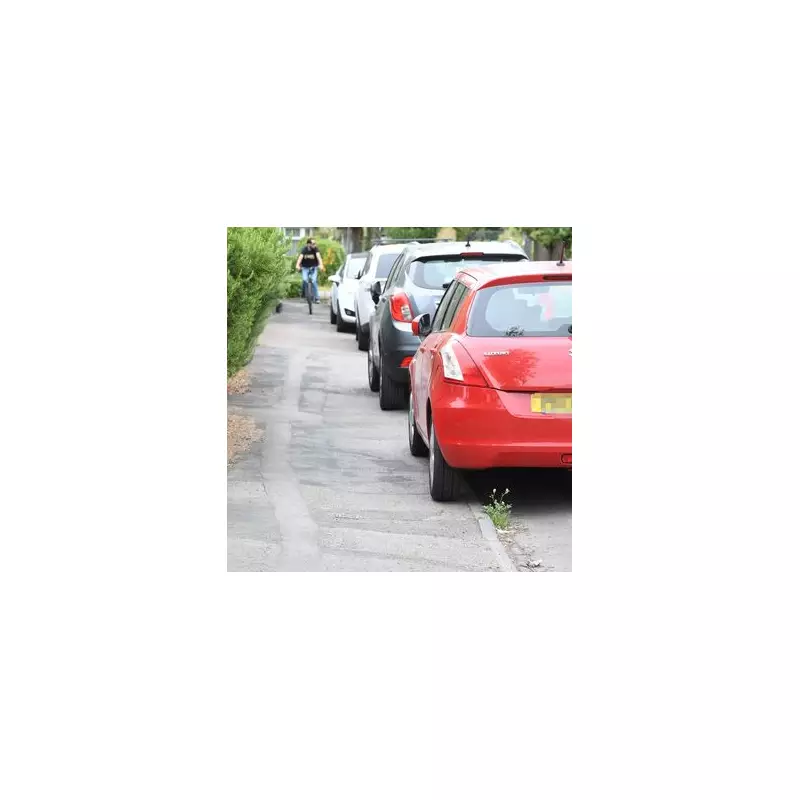
Birmingham City Council has unveiled a significant new policy that will transform the city's streets, with a comprehensive ban on pavement parking set to be introduced across multiple areas. Council leaders have confirmed they will utilise newly granted government powers to implement the prohibition, marking a substantial shift in urban mobility regulations that motorists will need to adapt to.
New Government Powers Enable Local Action
The Department for Transport has provided local authorities with enhanced legislative tools that allow them to restrict vehicles from parking on footpaths. Birmingham council officials have enthusiastically welcomed this development, stating it will enable them to address longstanding safety concerns more effectively. While the exact implementation timeline remains pending further ministerial guidance expected later this year, the framework is now established for councils to pursue area-specific bans.
Prioritising Safety in Busy Urban Zones
Initial enforcement efforts will concentrate on Birmingham's city centre and other high-traffic locations where pavement parking creates the most significant hazards. The council has indicated that residential streets with fewer pedestrian conflicts may receive different consideration, unless specific safety issues have been identified through community reporting.
The primary motivation behind this policy shift is protecting vulnerable road users who frequently encounter obstacles when navigating footpaths. Disabled individuals, elderly residents, and parents with young children are expected to benefit substantially from clearer pedestrian routes, reducing the need to divert into dangerous roadways.
Council Leadership Emphasises Accessibility Improvements
Councillor Majid Mahmood, Birmingham City Council's Cabinet Member for Environment and Transport, provided detailed commentary on the forthcoming changes. "We welcome the Government's decision to grant councils new powers to keep pavements clear," he stated. "These powers will help us make our pavements safer, more accessible and more inclusive for everyone who relies on them."
Mahmood further explained the broader transport context: "We need to change the way we move goods and people around the city and be less reliant on private cars which is why our Birmingham Transport Plan encourages people to use active travel in their neighbourhoods. Inconsiderate and illegal pavement parking creates barriers to walking and cycling and for those who need mobility aids, and can contribute to road collisions."
Enforcement and Future Implementation
Motorists who disregard the new restrictions will face financial penalties, though the council has emphasised that education and awareness campaigns will precede strict enforcement. The measures represent a key component of Birmingham's wider transport strategy, which seeks to:
- Reduce private vehicle dependency
- Enhance pedestrian and cyclist safety
- Improve accessibility for mobility-impaired residents
- Create more pleasant urban environments
Councillor Mahmood concluded: "These new measures, which we have been pushing for, will go a long way to help communities move safely around the city." The announcement follows extensive consultation with disability advocacy groups and transport safety organisations who have long highlighted the dangers of obstructed footpaths.