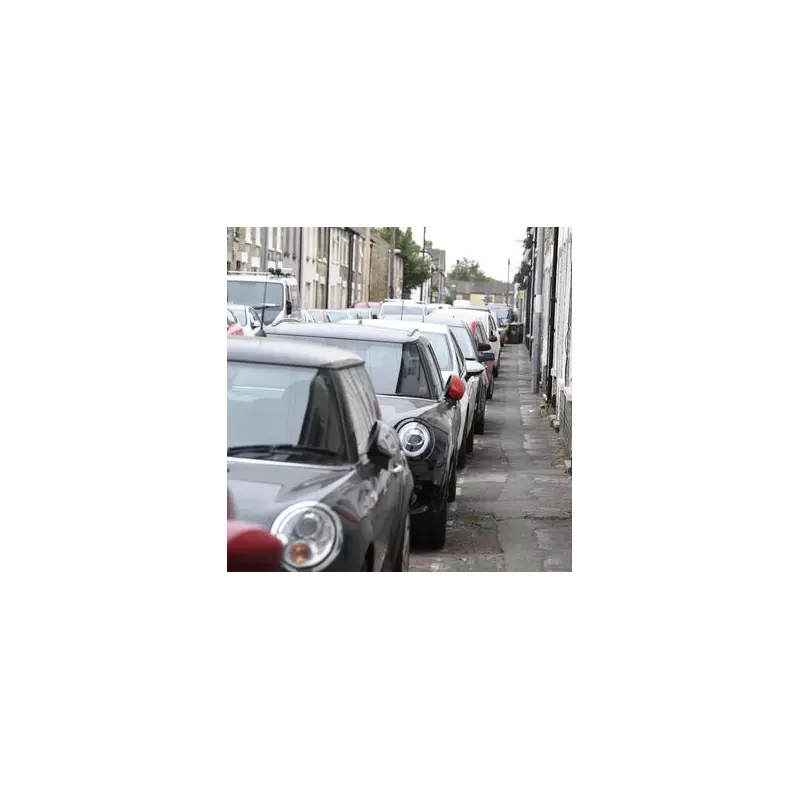
Birmingham is preparing to implement significant new restrictions on pavement parking across substantial areas of the city, following confirmation that local authorities will receive enhanced enforcement powers from central government.
Council Gains Authority to Designate Restricted Zones
Under forthcoming regulations, Birmingham City Council will obtain the authority to designate specific locations where pavement parking will be prohibited. This represents a substantial shift in local traffic management capabilities, allowing targeted intervention in problem areas.
Implementation Timeline and Enforcement
The government has indicated its intention to distribute these new powers to local authorities as rapidly as possible, though practical implementation is not expected until later this year at the earliest. A realistic timeframe suggests new rules could become operational from autumn 2026, potentially extending into 2027 as councils establish their enforcement frameworks.
Motorists who violate the new pavement parking restrictions will face financial penalties similar to those currently issued for parking on double yellow lines. This enforcement mechanism aims to create a strong deterrent against inconsiderate parking practices.
Priority Areas and Strategic Focus
Initial implementation will likely concentrate on Birmingham's city centre, major thoroughfares, and other locations where persistent complaints about pavement obstruction have been recorded. The council's approach will prioritize areas with demonstrated safety concerns or accessibility issues.
Residential streets in quieter neighbourhoods are expected to remain unaffected unless specific safety concerns are identified. This targeted strategy allows the council to address the most pressing problems while minimizing disruption in areas where pavement parking causes less significant issues.
Safety Improvements for Vulnerable Pedestrians
The new regulations specifically aim to enhance safety for vulnerable road users including disabled individuals, elderly residents, and parents with young children. This responds to years of campaigning by accessibility advocates who have highlighted the dangers created by obstructed pavements.
Councillor Majid Mahmood, Birmingham's Cabinet Member for Environment and Transport, expressed strong support for the forthcoming powers. He emphasized that clear pavements contribute directly to safer, more accessible urban environments for all residents.
Alignment with Broader Transport Strategy
These measures align with Birmingham's broader transport planning objectives, which encourage reduced reliance on private vehicles and increased adoption of active travel options like walking and cycling. By removing pavement obstacles, the council aims to create more inviting pedestrian routes throughout neighbourhoods.
The council has actively advocated for these enhanced powers, recognizing their potential to transform urban mobility patterns. Councillor Mahmood noted that inconsiderate pavement parking creates significant barriers to sustainable transportation and can contribute to road safety incidents.
As Birmingham prepares to implement these changes, residents can expect clearer guidance from local authorities in the coming months regarding application processes and specific location designations. The transition represents a significant step toward creating more pedestrian-friendly urban spaces across the city.