Birmingham's Pavement Parking Proposal Ignites Fierce Community Debate
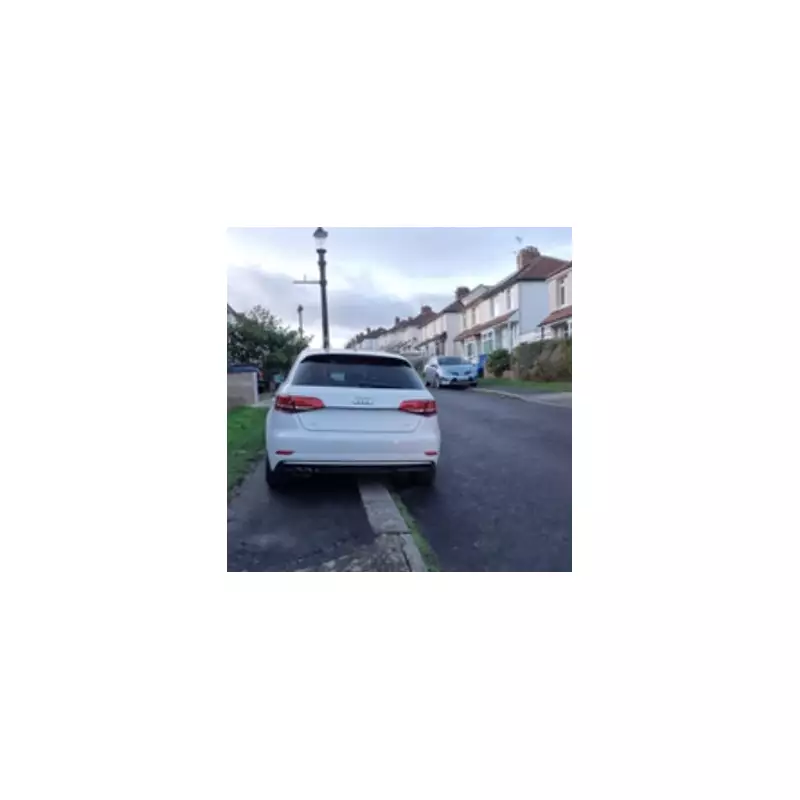
Birmingham City Council's newly announced plans to address pavement and verge parking across the city have sparked a passionate and divisive debate among local residents. The proposals, which would utilise new powers granted to local authorities by the Government, aim to introduce comprehensive restrictions on parking on footpaths and grass verges throughout Birmingham.
Mixed Reactions to Regulatory Changes
While many residents have welcomed the prospect of clearer regulations to combat obstructive parking, significant concerns have been raised about the council's motivations and practical implementation. Numerous Birmingham Live readers have questioned whether this initiative represents a genuine attempt to improve pedestrian accessibility or merely a revenue-raising exercise ahead of upcoming elections.
The discussion has highlighted how frequently residents feel their daily movements are obstructed by inconsiderate parking practices on local roads. Council leaders have embraced the forthcoming powers that will enable them to ban pavement parking across extensive areas of the city, representing a significant adjustment period for motorists who may face penalties for flouting the new regulations.
Implementation Timeline and Priority Areas
The changes will not take immediate effect, with ministers set to provide local authorities with detailed guidance on applying for these powers later this year. The primary objective is to enable councils to prohibit pavement parking swiftly while identifying areas requiring urgent attention.
Birmingham city centre, major thoroughfares, and known problem hotspots are expected to take priority in the initial implementation phase. Quieter residential roads are likely to remain unaffected unless specific issues arise that warrant intervention. However, some residents argue that certain problem areas are being overlooked in the current planning.
Resident Perspectives and Enforcement Concerns
Reader Mbic commented: "I hope these measures will include residents who have their front gardens converted for parking, but don't have a dropped kerb installed, then after a while, the grass verge becomes a mud patch. As I understand it is illegal to drive over a grass verge. In our area, if this is enforced, the council will get a decent income from fines."
Phil 62 expressed scepticism: "Another money-making scheme that won't happen before the May elections." while Vacuum questioned enforcement capacity: "They can't even enforce the laws that are already in place."
Northfieldb31 raised jurisdictional concerns: "Almost like the article says they need different legal powers - as enforcing obstructive parking is currently only a police power?" Trueblueb9 added: "I have to question why BCC are doing this, as there are laws already in place, although it is not illegal to park on the pavement in Birmingham, if your car causes an obstruction then the driver is committing an offence so can be ticketed or towed away. So why not enforce the laws already at your disposal, if causing an obstruction ticket/tow, or is this about making more money from car owners?"
Alternative Approaches and Broader Priorities
On social media platforms, Tahmid Tarj Chowdhury reported receiving different guidance: "I asked a police officer whilst parking half on the pavement, she advised me that as long as I leave enough room for a double buggy to get past, it's permitted."
Abbas Zee suggested alternative solutions: "The council should make parking spaces or should limit cars per household, or 1 free car and charge for extra cars."
The debate has expanded beyond pavement parking alone, with residents questioning whether this should be the council's primary focus. Many are asking whether resources might be better directed toward resolving other pressing local issues, including ongoing industrial disputes affecting essential services.
As Birmingham City Council moves forward with its pavement parking proposals, the conversation continues to evolve, reflecting the complex balance between pedestrian safety, motorist convenience, enforcement practicality, and municipal priorities in one of Britain's largest urban centres.