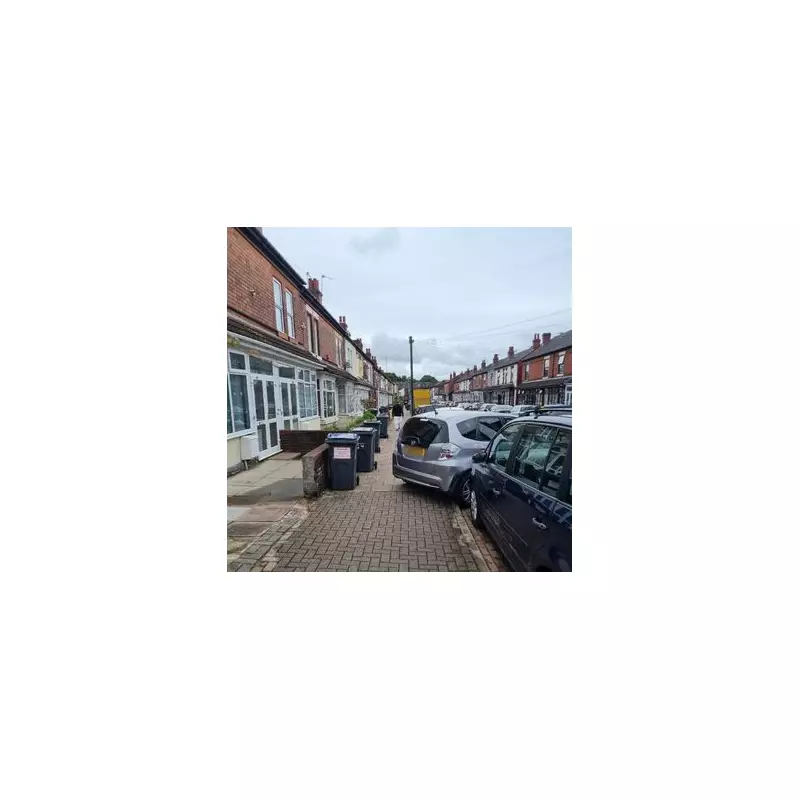
Significant changes are on the horizon for pavement parking regulations in Birmingham, as local authorities prepare to implement new enforcement powers granted by the Government. City council leaders have confirmed their intention to utilise these enhanced measures to address a long-standing issue that affects pedestrian safety and accessibility across the city.
Enhanced Safety for Vulnerable Pedestrians
The primary objective of the new rules is to substantially improve safety for vulnerable groups, including disabled individuals, elderly residents, and parents with young children. This initiative follows years of dedicated campaigning by community advocates and safety organisations who have highlighted the dangers posed by vehicles obstructing footpaths.
Targeted Enforcement Areas
Initial enforcement efforts are expected to concentrate on Birmingham's city centre, busy thoroughfares, and other locations where persistent complaints about pavement parking have been recorded. Council officials indicate that smaller residential streets will generally remain unaffected unless specific safety concerns are identified in particular neighbourhoods.
Penalties for Non-Compliance
Motorists who disregard the new regulations could face financial penalties similar to those issued for parking on double yellow lines. This enforcement approach aims to create a stronger deterrent against inconsiderate parking practices that compromise pedestrian pathways.
Implementation Timeline and Process
While the Government has expressed its commitment to distributing these new powers to local authorities as swiftly as possible, practical implementation is unlikely to commence until later this year at the earliest. Ministers plan to provide detailed guidance to councils over the coming months regarding the application process for these enhanced enforcement capabilities.
A realistic timeframe suggests that the new pavement parking rules could come into effect from autumn 2026, with full implementation potentially extending into 2027. This phased approach will enable Birmingham City Council to prioritise areas requiring immediate attention while developing comprehensive enforcement strategies.
Council Leadership Welcomes New Measures
Councillor Majid Mahmood, Birmingham's Cabinet Member for Environment and Transport, has publicly welcomed the Government's decision. He emphasised that these powers will help transform the city's pedestrian infrastructure, making pavements safer, more accessible, and more inclusive for all residents.
"We welcome the Government's decision to grant councils new powers to keep pavements clear," stated Councillor Mahmood. "These powers will help us make our pavements safer, more accessible and more inclusive for everyone who relies on them."
The councillor further explained how the initiative aligns with broader transport objectives: "We need to change the way we move goods and people around the city and be less reliant on private cars, which is why our Birmingham Transport Plan encourages people to use active travel in their neighbourhoods. Inconsiderate and illegal pavement parking creates barriers to walking and cycling, particularly for those who need mobility aids, and can contribute to road collisions. These new measures, which we have been pushing for, will go a long way to help communities move safely around the city."
Broader Transport Strategy Context
These pavement parking reforms form an integral component of Birmingham's wider transport strategy, which promotes sustainable mobility options and reduced dependence on private vehicles. By clearing obstructed footpaths, the council aims to encourage more residents to embrace walking and cycling as viable transportation alternatives within their local communities.
The forthcoming regulations represent a significant step toward creating a more pedestrian-friendly urban environment while addressing safety concerns that have persisted for years. Birmingham residents can expect further detailed announcements regarding specific enforcement zones and implementation dates as the council finalises its operational plans under the new legislative framework.