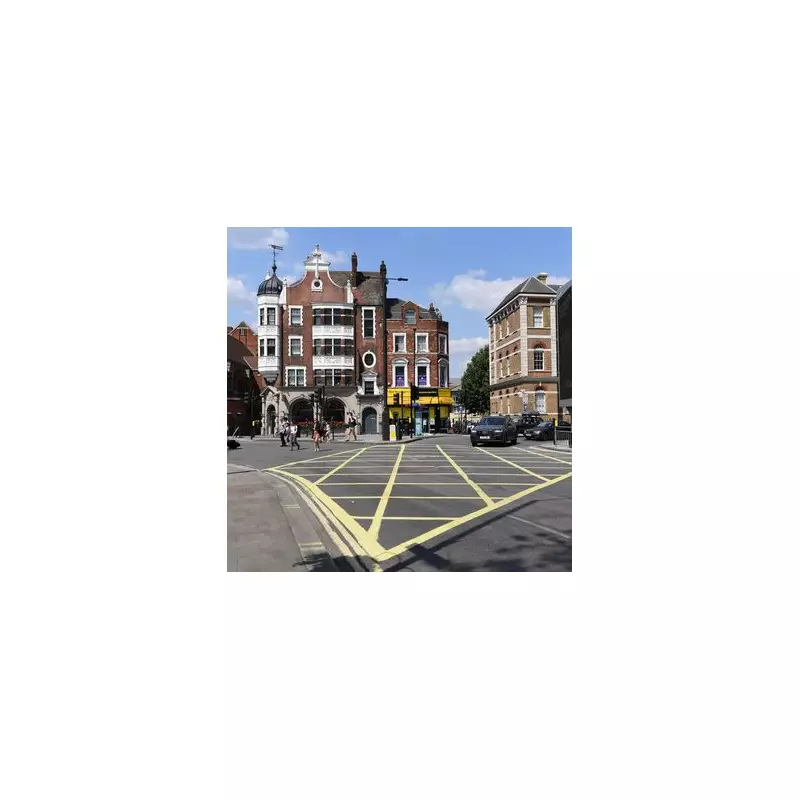
The Department for Transport (DfT) has issued a formal response to a significant public petition, which garnered over 11,000 signatures, calling for major alterations to the rules and enforcement surrounding yellow box junctions across the United Kingdom.
Petition Calls for Leniency and Reform
The online petition, which successfully triggered a government response, argued that current regulations are too stringent. It specifically requested two key changes to provide drivers with what it termed 'more leniency'.
Firstly, petitioners called for the introduction of a mandatory 10-second 'grace period' before any penalty charge notice (PCN) could be issued for stopping in a box junction. Secondly, they demanded a new legal requirement stipulating that all yellow box markings must be 'no bigger than necessary', alleging that some are oversized and that the rules could be exploited to generate revenue through fines.

Current Rules and the Purpose of Box Junctions
Under the existing Highway Code, specifically Rule 174, drivers are prohibited from entering a box junction marked with yellow criss-crossed lines unless their exit road or lane is clear. The only exceptions are when turning right and being prevented from doing so by oncoming traffic or other right-turning vehicles.
These markings are a critical traffic management tool, designed to prevent gridlock by keeping junctions clear and ensuring the smooth flow of vehicles, particularly at busy signalised intersections.
Government's Detailed Rejection
In its published statement, the DfT firmly rejected the petition's core proposals, emphasising the role of local authorities in traffic management.
On the 10-Second Grace Period: The Department stated that such a period would be "a long period of time in traffic flow terms." It argued that this delay would actively hinder traffic movement and fundamentally "undermine the purpose of yellow box marking" by allowing obstructions to develop.
On Regulating Box Size: The response highlighted the unique nature of every road junction. The DfT asserted that "only local authorities can assess how vehicle movements influence blocking back at a particular junction" and determine what size is necessary. It concluded that it is "not possible to legislate for a minimum 'necessary' size" due to these local variations.
The Department also addressed the petition's suggestion about exemptions for turning vehicles, noting the practical difficulty in determining when an obstruction is not occurring due to the dynamic nature of traffic.
Guidance Versus Law
The DfT pointed to existing guidance in Chapter 5 of the Traffic Signs Manual but was clear on its limits. While this guidance assists with compliance, it "cannot provide a definitive legal interpretation, nor can it override" the mandatory requirements. The final legal interpretation, the response notes, remains "the prerogative of the courts" for specific locations.
The statement also defended the use of 'half box' markings at non-signalised T-junctions, warning that restricting boxes to only signalised junctions would have a "detrimental effect on traffic" turning in and out of side roads.
This definitive response leaves the current rules and enforcement practices for box junctions unchanged, placing ongoing responsibility for their design and implementation firmly in the hands of local transport authorities.