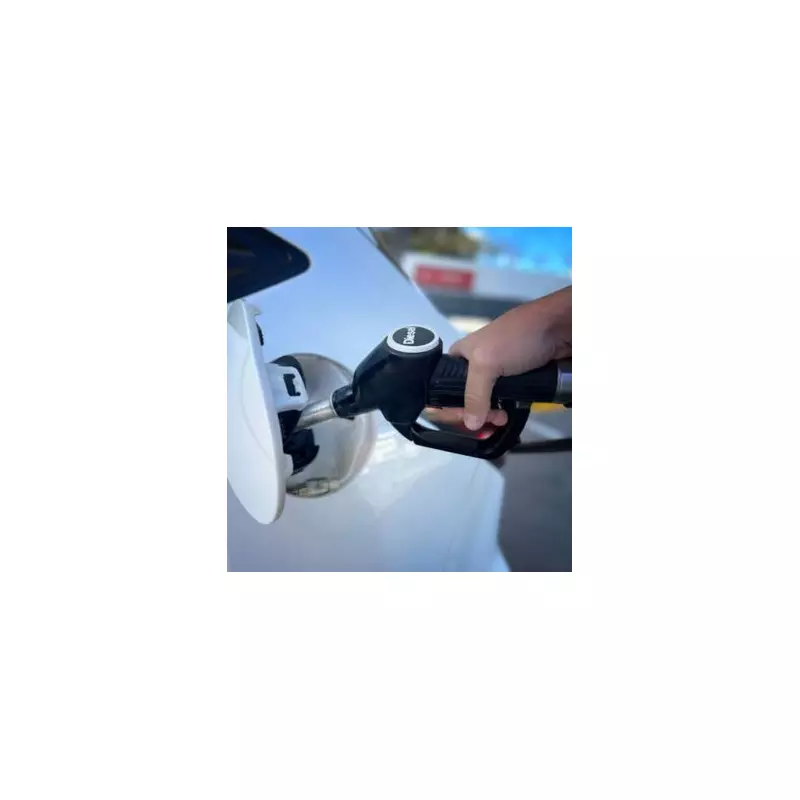
Critical Alert for Diesel Motorists with Limited Annual Mileage
Diesel vehicle owners across the UK are being urged to carefully reconsider their car choice if their annual driving falls below a specific threshold. According to leading motoring organisation the RAC, drivers who cover fewer than 12,000 miles each year may face significant mechanical issues and financial drawbacks with diesel engines.
The DPF Problem: A Costly Consequence of Short Journeys
The primary concern revolves around the Diesel Particulate Filter (DPF), an essential emissions control component. The RAC explicitly states that diesel cars used predominantly for short, urban journeys often fail to reach optimal operating temperature. This prevents the DPF from undergoing proper regeneration cycles, leading to dangerous soot accumulation.
A clogged DPF can trigger a cascade of problems:
- Noticeably reduced engine performance and responsiveness
- Increased fuel consumption, negating diesel's traditional efficiency advantage
- Potential for serious engine damage if the issue is left unresolved
- Very expensive replacement costs for new DPF units
RAC's Clear Recommendation on Diesel Suitability
The motoring body advises that diesel vehicles typically only make financial and practical sense for drivers exceeding 12,000 miles annually. For those whose driving patterns consist mainly of town trips or shorter distances where the engine remains cool, alternative powertrains are strongly recommended.
"If you're typically driving around town or short distances where the engine doesn't get up to operating temperature, then a petrol, hybrid or electric car is probably a better bet," the RAC clarifies. This guidance is particularly relevant for urban dwellers and those with predominantly local commuting patterns.
Additional Considerations for Used Diesel Buyers
The warning extends to the second-hand market. Prospective buyers of used diesel cars should pay close attention to the vehicle's age and emissions standard. Generally speaking, newer diesel cars are less polluting, with Euro 6 compliant models representing the cleanest option.
The RAC adds an important note regarding older diesels: "If you're looking at buying an older diesel car that doesn't meet Euro 6, you'll need to think about how often you plan on entering large towns and cities in it." With an increasing number of UK cities implementing or planning Clean Air Zones that charge non-compliant vehicles, ownership costs could rise unexpectedly.
The Broader Fuel Market Context
Separately, the supermarket sector plays a disproportionately large role in the UK's fuel retail landscape. While supermarkets own approximately one-fifth of the nation's forecourts, they account for around 40% of all petrol and diesel sales. Industry observers note that supermarkets often use competitively priced fuel as a loss leader to attract customers into their stores—a strategy not typically available to dedicated fuel companies.
Steve Walker from Auto Express explains this dynamic: "Supermarkets see petrol prices as a way to get people into their stores and can use fuel as a loss leader. The fuel companies don't have that luxury." This competitive pressure influences pricing at the pump but doesn't alter the fundamental mechanical advice regarding diesel vehicle suitability for low-mileage drivers.