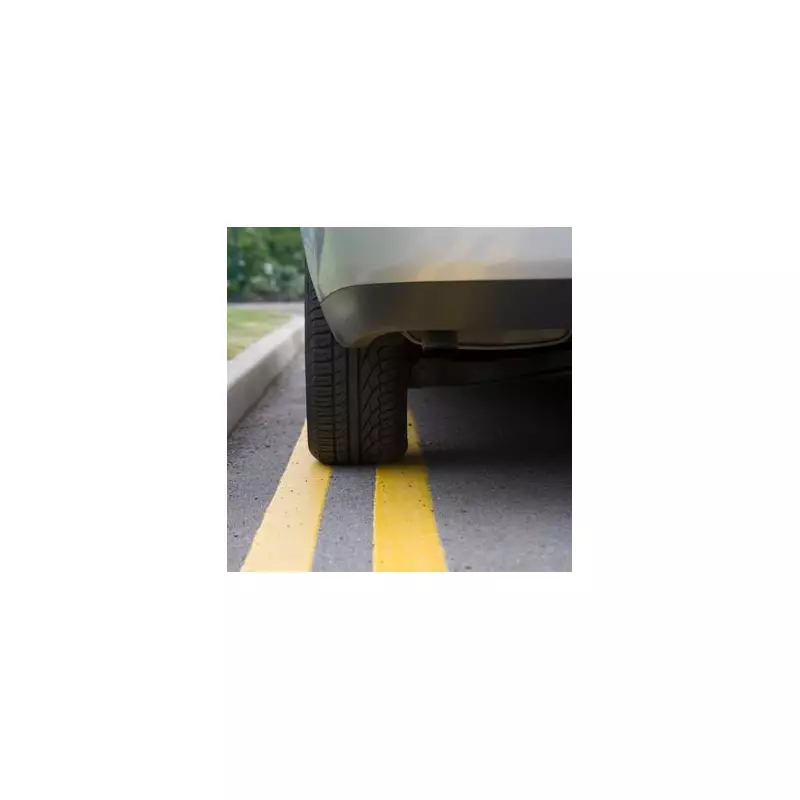
Millions of British motorists are potentially risking unnecessary fines due to widespread confusion about one of the most common road markings. While most drivers instinctively avoid double yellow lines, many don't realise there are specific circumstances where stopping is permitted.
The crucial difference between yellow and red lines
According to motoring expert Ben Welham from Marshall Motor Group, a fundamental misunderstanding exists about what different road markings mean. Double yellow lines mean no waiting or parking is allowed at any time, unless signs indicate specific restrictions. However, drivers are technically permitted to make brief stops to drop off or pick up passengers.
The rules change dramatically with double red lines, which indicate no stopping at any time, not even for loading or unloading except in designated bays. Red routes are specifically designed to reduce congestion and maintain traffic flow in busy areas, with enforcement typically being stricter.
How to stop legally without getting fined
The key to legally stopping on double yellow lines lies in understanding what constitutes 'waiting' versus 'stopping'. Drivers can pull over briefly to allow passengers to enter or exit the vehicle, but they cannot park and wait for someone to arrive. If you stop and leave your vehicle, or wait for an extended period, you risk penalty charges.
When pulling over, motorists must ensure they don't cause an obstruction to other traffic. Traffic wardens will issue fines if they determine a vehicle has been stationary for too long or is causing disruption to the flow of traffic.
The financial consequences of getting it wrong
Breaking double yellow line rules can result in substantial penalties, but the fines for stopping on double red lines are often more severe. Penalties for red route violations can reach up to £160, reflecting the greater importance of keeping these routes clear.
Ben Welham confirmed that the difference between these two common road markings frequently catches out drivers. With many motorists assuming both mean the same thing - no stopping under any circumstances - thousands are potentially missing out on legitimate stopping opportunities while others risk fines by misunderstanding the stricter red route regulations.
The confusion highlights the importance of all drivers refreshing their knowledge of road markings and regulations to avoid unnecessary penalties and help maintain smooth traffic flow across UK roads.