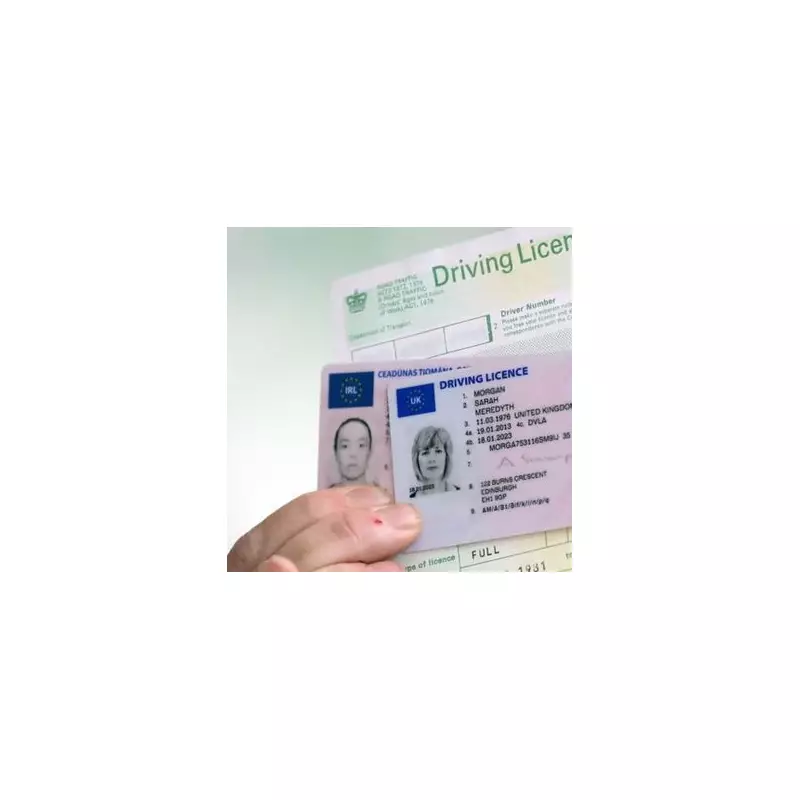
A heart-wrenching situation has unfolded as the Driver and Vehicle Licensing Agency (DVLA) revoked a parent's driving licence, leaving them unable to travel to visit their daughter who is receiving end-of-life care. The parent, who acts as the primary carer, detailed their distressing ordeal in a letter published by a national newspaper, pleading for assistance in what they described as a sudden and unexpected decision.
A Desperate Plea for Help
In a letter addressed to the Guardian's consumer affairs section, the driver explained that their daughter's condition had deteriorated, placing her on palliative care just before the Christmas period. Living in a rural area with limited public transport options, the revocation of their licence meant they were effectively cut off from providing support and companionship during this critical time.
Sudden Decision and Limited Options
The driver stated that the DVLA's decision came "out of the blue," with no prior warning. In August, the agency issued a 'stop driving' order and demanded the return of the licence. Despite reapplying in October, no new licence was issued, exacerbating the family's distress as they struggled to find alternative means of travel in an isolated location.
Swift Resolution After Media Intervention
Following the publication of the letter and subsequent media attention, the DVLA acted promptly to address the issue. Reports indicate that the matter was resolved within 24 hours, allowing the parent to resume driving and visit their daughter. This swift response highlights the power of public scrutiny in resolving bureaucratic delays.
DVLA's Official Stance on Licence Revocation
On its official website, the DVLA outlines the circumstances under which it may revoke or suspend a driving licence. The agency states that it can take such action if an individual no longer meets licensing criteria, such as being convicted of a relevant criminal offence. Additionally, licences may be suspended if the DVLA believes there is a threat to public safety or if it is deemed in the public interest, for instance, during a police investigation for a serious offence.
The DVLA emphasises that it will notify individuals in writing of its intent to revoke or suspend a licence, providing reasons and information on how to appeal the decision. This process is designed to ensure transparency and fairness, though in this case, the parent felt blindsided by the sudden enforcement.
Broader Implications for Rural Communities
This incident sheds light on the challenges faced by residents in rural areas where public transport is sparse. The reliance on private vehicles becomes critical, especially in emergencies or for caregiving duties. The revocation of a licence can have severe consequences, isolating individuals from essential services and loved ones.
While the DVLA's actions are intended to uphold road safety standards, this case raises questions about the balance between regulatory enforcement and humanitarian considerations. It underscores the need for agencies to consider individual circumstances, particularly in life-or-death situations, to avoid causing undue hardship.
In summary, the DVLA's revocation of a driving licence left a parent stranded and unable to visit their dying daughter, prompting a public plea for help. The swift resolution after media intervention demonstrates the importance of accountability, but also highlights ongoing issues with rural transport accessibility and bureaucratic processes in the UK.