Motorists across the UK are being warned to exercise extreme caution and adapt their driving as plummeting temperatures create hazardous, frost-covered roads. Experts emphasise that a fundamental change in driving behaviour, particularly regarding stopping distances, is critical to preventing a seasonal spike in collisions.
The Stark Reality of Winter Road Risks
Statistics present a sobering picture: drivers are six times more likely to be involved in a road accident between October and March. This dramatic increase is driven by the dual challenges of fewer daylight hours and unpredictable, often severe, weather conditions.
According to safety specialists at Quotezone.co.uk, the most crucial adjustment drivers can make is to vastly increase the gap they leave to the vehicle in front. In snowy or icy conditions, the distance needed to bring a car to a safe halt can be up to ten times greater than on a dry road. What constitutes a safe separation in summer becomes dangerously insufficient on a frosty morning.

Understanding and Adapting Your Stopping Distance
Total stopping distance is a combination of 'thinking distance'—the time it takes a driver to perceive a hazard and react—and 'braking distance'—the physical space the car then needs to stop. Both elements are severely compromised in winter.
Wet weather alone necessitates at least doubling your usual stopping distance due to drastically reduced tyre traction. Factors like driver fatigue, stress, or distraction can further lengthen reaction times, and on a slippery surface, even a momentary delay can have catastrophic consequences.
The Highway Code provides baseline figures for dry conditions, such as 23 metres at 30mph and 96 metres at 70mph. However, these are absolute minimums for perfect conditions and must be expanded immediately as soon as rain, frost, ice, or fog appear.
Practical Steps for Safer Winter Travel
The key advice for drivers is to reduce speed significantly below the legal limit when visibility is poor or roads are compromised. Slower speeds grant more time to react and help maintain vehicle control.
Preparing your vehicle is equally vital. Essential checks include:
- Ensuring tyre tread depth and pressure are adequate for maximum grip.
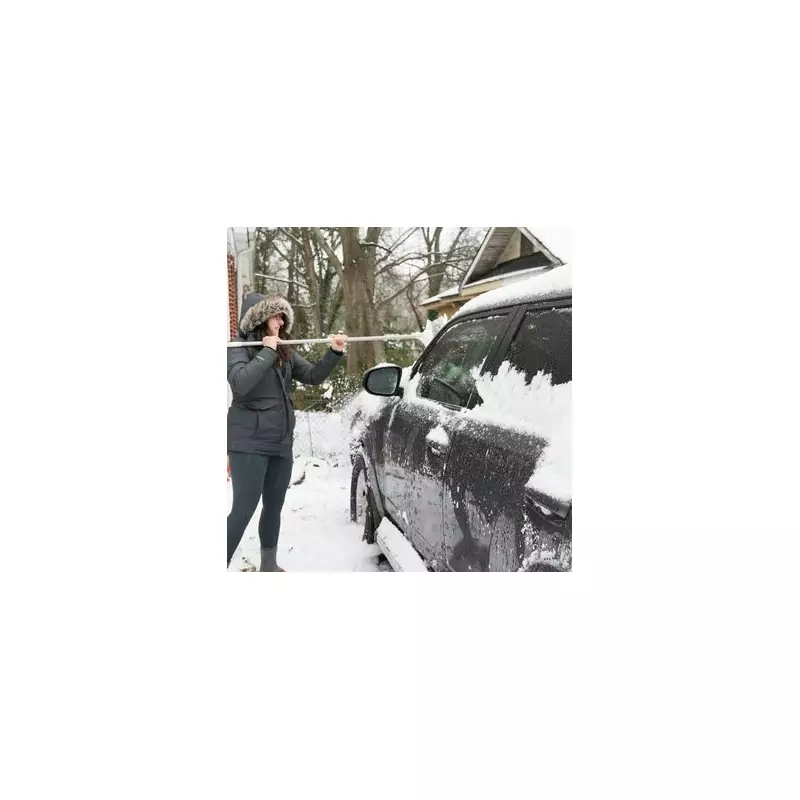
- Keeping all windows, mirrors, and lights completely clear of frost, snow, and grime.
- Carrying a winter emergency kit including an ice scraper, de-icer, blankets, and a fully charged mobile phone.
Motorists should also be vigilant for black ice, particularly on shaded roads, bridges, and overpasses. If you lose traction, avoid the instinct to brake harshly. Instead, ease off the accelerator and steer gently to regain control.
By adjusting speed, increasing following distances, and ensuring their vehicle is winter-ready, drivers can significantly mitigate the heightened risks presented by the coldest months of the year.