Motorists Brace for Staged Fuel Duty Increases from 2026
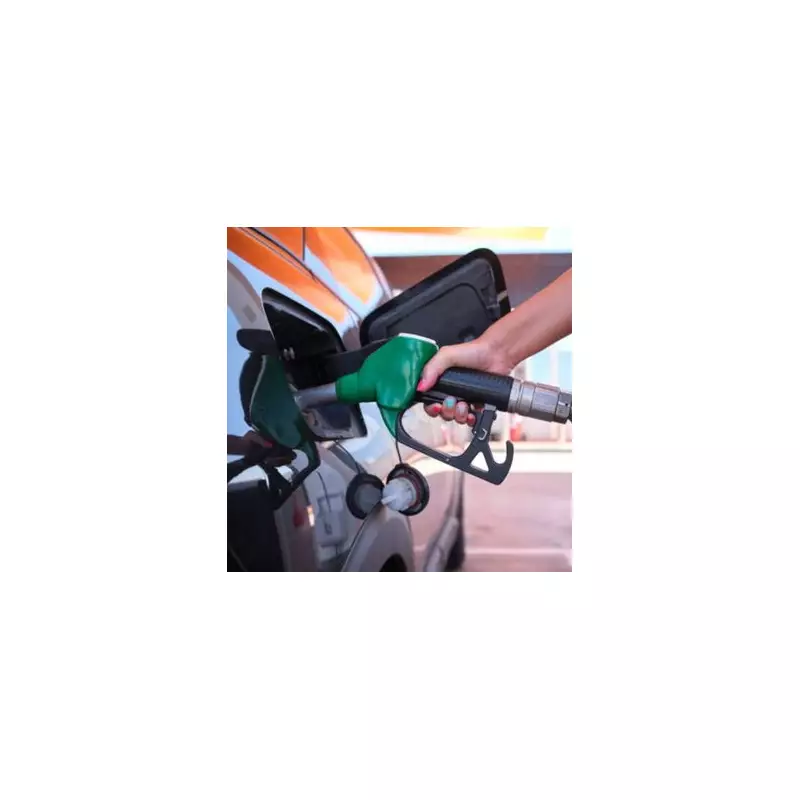
Petrol and diesel drivers across the UK are preparing for significant price increases at the pumps following Chancellor Rachel Reeves' confirmation of a three-stage fuel duty hike. The current 5p per litre reduction, originally scheduled to expire in March 2026, will now be extended until the end of August 2026 before being gradually reversed.
Three Key Dates for Driver Budgets
The Treasury has outlined a carefully phased approach to returning fuel duty rates to March 2022 levels:
- September 1, 2026: Initial 1p increase per litre
- December 1, 2026: Further 2p increase per litre
- March 1, 2027: Final 2p increase per litre
This structured reversal means the full 5p reduction will be eliminated over a seven-month period, giving motorists time to adjust their household budgets while ensuring Treasury receipts begin to recover.
Government Measures to Mitigate Impact
Alongside the duty changes, several supportive measures have been announced:
- The planned inflation-linked increase for 2026-27 has been cancelled entirely
- From Spring 2026, the Fuel Finder scheme will launch, allowing consumers to compare petrol prices more easily through open data
- This price transparency initiative is expected to encourage competitive pricing among retailers
According to government analysis, these combined actions should save car-owning households approximately £89 next year compared to previous budgetary plans. The Fuel Finder scheme alone could deliver average annual savings of around £40 per household through increased price competition.
Long-Term Fiscal Challenges
Budget documents highlight the broader context of these changes, noting the transition to electric vehicles presents significant challenges for public finances. While all vehicles contribute to road congestion and maintenance costs, petrol and diesel drivers currently pay fuel duty at the pump whereas electric vehicle owners do not pay an equivalent charge.
The Office for Budget Responsibility forecasts that as more drivers switch to electric vehicles, fuel duty receipts could decline to approximately half current levels in real terms during the 2030s, representing around £12 billion in reduced revenue. This fiscal pressure underscores the need for gradual adjustments to traditional fuel taxation while developing sustainable alternatives for road funding.
The staged approach to restoring fuel duty rates aims to balance immediate cost-of-living concerns with long-term fiscal sustainability, marking a significant shift in transport taxation policy under the current government.