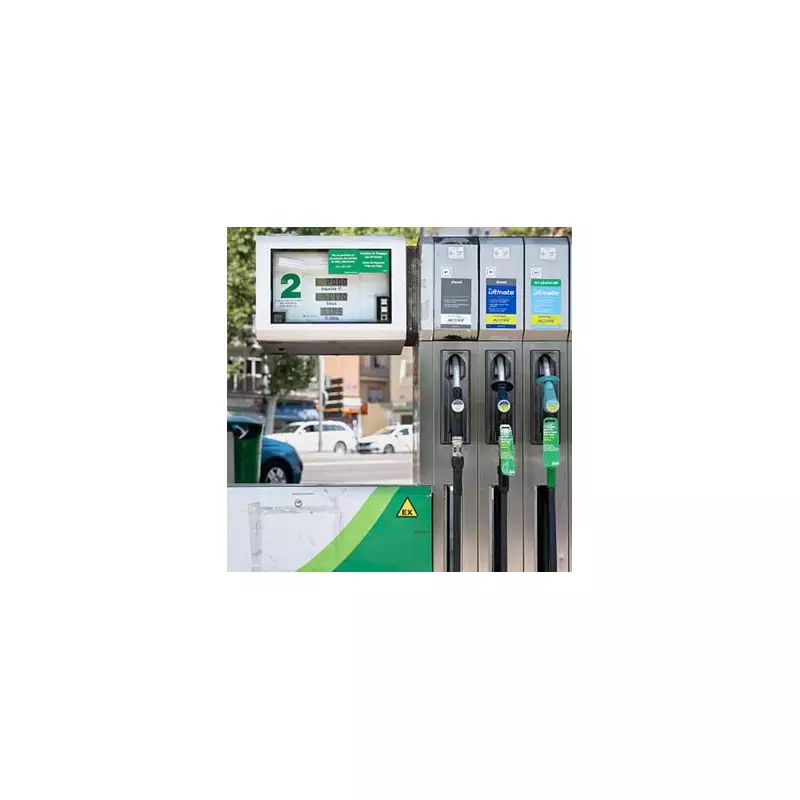
Motorists across the United Kingdom have received an unwelcome financial update, with official figures revealing a significant rise in fuel duty receipts for the first time in two years. Data from HM Revenue and Customs (HMRC) and the Labour Party government shows that fuel duty takings reached a substantial £18.5 billion between April and December 2025.
A Staggering Increase in Revenue
This represents a notable increase of approximately £100 million compared to the same nine-month period in the previous year. The surge in revenue has sparked concerns among industry experts and policymakers about the pace of the transition to electric vehicles (EVs) in Britain.
Expert Analysis on Slowing EV Demand
Sheena McGuinness, co-head of energy and natural resources at RSM UK, commented on the worrying implications of this trend. "Fuel duty rising for the first time in two years could be a concerning signal," she stated. "It may indicate that demand for electric and hybrid cars is beginning to slow down across the country."
Ms McGuinness elaborated on the economic factors at play, noting that rising costs are making electric and hybrid vehicles less attractive to consumers. "As expenses increase, some drivers might conclude that switching to an electric vehicle is no longer financially worthwhile," she explained. This potential shift back towards traditional petrol and diesel vehicles could lead to further increases in fuel duty revenues in the coming years.
The Current Taxation Landscape
Presently, drivers of petrol and diesel vehicles pay tax through fuel duty at the pump, which is calculated based on how much they drive. In contrast, electric vehicle owners make no equivalent contribution, creating a growing disparity in road taxation.
"This reversal in fuel duty trends could widen the gap between Government targets and what drivers actually choose to purchase," warned Ms McGuinness, highlighting the potential policy challenges ahead.
Government Response and Future Plans
The Labour Party government has acknowledged these concerns and outlined its strategy to address the evolving situation. A government spokesperson said, "If we take no action, by 2030 approximately one in five car drivers are projected to pay no fuel duty whatsoever, while other motorists will continue to contribute an average of £480 annually."
"Given that all vehicles contribute to congestion and road wear, this represents an unfair outcome," the spokesperson continued. "Therefore, the government will introduce electric Vehicle Excise Duty (eVED) starting in April 2028."
The new eVED will be set at half the equivalent rate of fuel duty for fully electric cars, and half again for plug-in hybrid vehicles. This approach aims to ensure all drivers contribute to road maintenance while maintaining important incentives for transitioning to electric vehicles.
Projected Revenue Changes
Looking ahead, the government anticipates significant changes in fuel duty revenues. "Fuel duty receipts are expected to decline to approximately half their current level, reaching around £12 billion per year during the 2030s," the spokesperson added, reflecting the long-term impact of vehicle electrification on government finances.
This development marks a crucial moment in Britain's transportation policy, balancing environmental goals with fiscal realities as the nation navigates its transition to cleaner transport options.