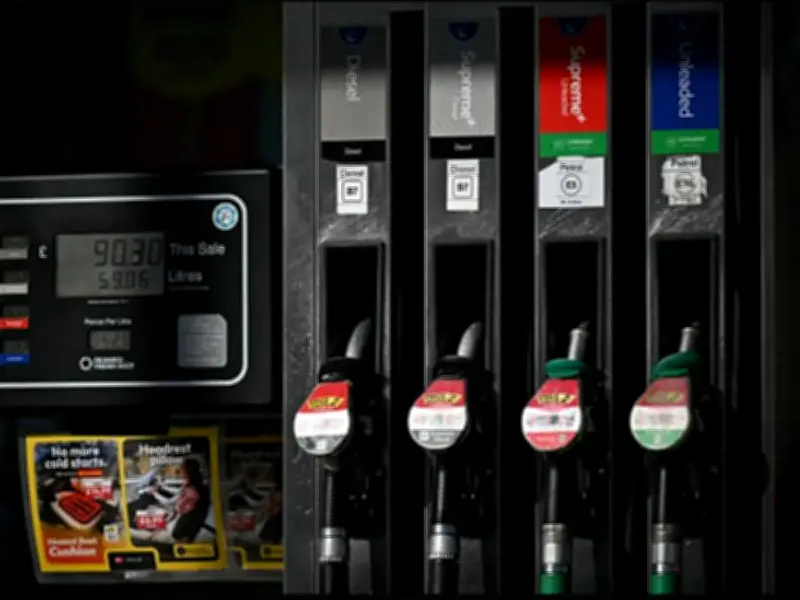
HMRC has confirmed that a new advisory fuel rate of 22p per mile applies to some diesel motorists from this week, with the updated quarterly rates taking effect from September 1. The rate applies specifically to diesel cars with engines over 2000cc, marking a 1p reduction from the previous 23p rate.
The tax authority, operating under the Labour Party government, confirmed the new quarterly rates ahead of September. These advisory fuel rates are designed to simplify the process of reimbursing employees for business travel in company cars. They can also be used when employees reimburse their employer for private use of fuel.
Tax Implications and Usage Rules
If these rates are followed, there is no taxable profit, and no Class 1A National Insurance needs to be paid. However, HMRC has stressed that these rates cannot be used in any other circumstances beyond the specified reimbursement scenarios.
Fuel advisory rates are used to calculate the amount of VAT a company can reclaim relating to the fuel element of the mileage allowance payments. These rates are also used for mileage claims when an individual has a company car but pays for fuel privately.
Electric Vehicle Advisory Rates Explained
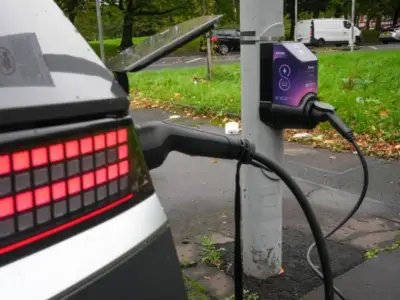
Pillow May explains: "The Advisory Electricity Rate for fully electric cars is 7 pence per mile for Home Charger and 15 pence for public charging. (Electricity is not a fuel for car fuel benefit purposes.)"
May adds: "And here's the good bit: if your real charging costs are higher (like when using an expensive ultra-rapid charger), you can claim more as long as you've got the evidence. However, if you're using a public charger, it's often easier to just put the whole charging cost on your company payment card and record it as business travel. That way, you don't need to mess around with mileage calculations at all and there is no benefit in kind for electricity for company cars, unlike other types of fuel."
Mileage Allowance Payment Rates
HMRC also reminds drivers that mileage allowance payments for the use of private cars for business purposes should be made at rates of 55p per mile for the first 10,000 miles per tax year and 25p thereafter. These rates remain unchanged and apply to employees using their own vehicles for work-related travel.
The new 22p rate for larger diesel vehicles represents a reduction that could affect reimbursement amounts for employees and VAT reclaim calculations for businesses, with the change now in force for the current quarter.