Modern LED Headlights Spark Safety Fears as Glare Concerns Intensify
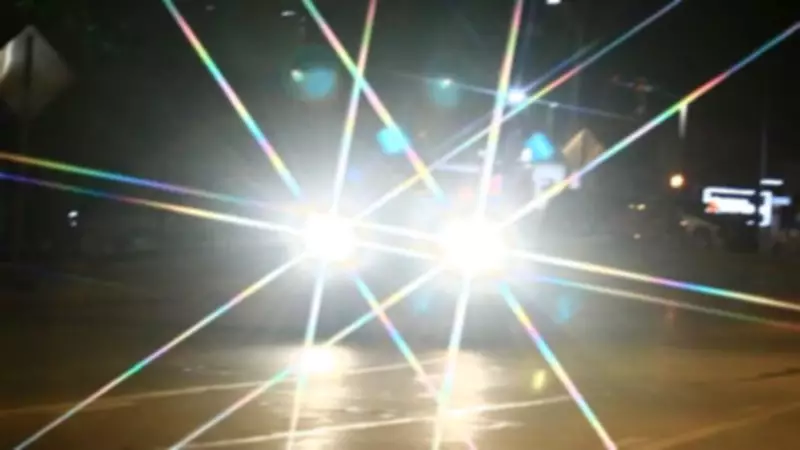
A comprehensive new survey has revealed that a significant majority of motorists feel modern LED headlamps are negatively affecting their vision and safety on the roads. The issue of being dazzled by oncoming traffic is escalating from a mere annoyance to a serious public safety concern for millions of drivers across the country.
Survey Highlights Worsening Problem
Recent data commissioned by the RAC indicates that more than half of motorists who experience difficulties with headlight glare believe the situation has deteriorated markedly over the past twelve months. The motoring organisation has labelled this a 'perennial problem' that is actively eroding driver confidence during the darker hours. For a substantial number of road users, the intense beam of a contemporary LED headlight is sufficient to make them feel considerably less secure when behind the wheel.
The study, which surveyed 1,745 drivers, found that a staggering 89% reported being dazzled either regularly or on occasion. This overwhelming statistic underscores that the call for regulatory change and industry action is now louder and more urgent than ever. This is not merely a question of driver comfort; it is fundamentally about ensuring our road networks remain safe for all users after sunset.
Impact on Driving Ability and Safety
The impact of these high-intensity lights extends far beyond causing a momentary squint. They frequently create dangerous 'blind spots' at critical moments during night-time journeys. According to the detailed research findings, 51% of affected drivers struggle to identify potential hazards or clearly see road markings due to glare. Furthermore, 42% find it challenging to accurately judge the speed of approaching vehicles, a key skill for safe manoeuvring.
Perhaps the most alarming statistic to emerge is that one in four drivers admits to being temporarily blinded by the sheer intensity of modern vehicle headlights. This sensory overload has led a full third of survey respondents to feel significantly less safe when navigating streets at night, with some altering their travel habits as a result.
Government and Industry Response
The Government has formally acknowledged these growing concerns and has committed to conducting further research into the root causes of headlight glare. RAC senior policy officer Rod Dennis emphasised that for many individuals, this issue is "tangibly affecting their lives," causing people to deliberately skip appointments or social engagements to avoid the necessity of night driving.
"Drivers consistently tell us that the height of vehicles, along with the apparent colour of headlights, are significant contributors to excessive glare," stated Rod Dennis. "These are two specific areas we strongly believe the Government should prioritise in its next stage of detailed research."
Nicholas Lyes, from the respected road safety charity IAM RoadSmart, described the survey's findings as a 'real wake-up call' for the entire automotive industry. He is advocating for a concerted, collaborative effort between vehicle manufacturers and regulators to find an effective balance between optimal visibility for the driver and safety for all other road users.
Practical Steps for Safer Night Driving
While the industry and authorities work towards potential changes to official standards, there are several practical measures drivers can adopt immediately to better protect themselves and others on the road:
- Check Your Vision: Denise Voon of The College of Optometrists advises always wearing your correct prescription glasses if required, as this can help minimise the disorienting 'starburst' effect often caused by bright lights.
- Clean Your Technology: Ensure your own vehicle's headlights are kept free of dirt, grime, and road film. Smears and debris can scatter light unpredictably, inadvertently dazzling other drivers.
- Level Your Load: If you are carrying a particularly heavy load in the boot, remember to adjust your headlight aim accordingly. An unbalanced vehicle can cause beams to tilt upward, shining directly into the eyes of oncoming traffic.
- Interior Maintenance: Regularly clean your windscreen both inside and out. A clean surface significantly reduces internal reflections and glare, improving your own forward visibility.