British motorists planning trips to Europe have been handed a temporary reprieve, as the launch of a major new EU border system has been pushed back. The European Union's Entry/Exit System (EES), which was slated for introduction this autumn, will now not be fully operational until early 2026.
What is the EES and Why the Delay?
The Entry/Exit System is a digital border control process designed to register non-EU visitors. Travellers from outside the bloc, including UK citizens, will need to provide photographs and passport details upon first entry into the Schengen Area. The system was initially scheduled to go live at the Port of Dover on October 12, 2025, but authorities have confirmed a postponement.
The Port of Dover stated it is working closely with French border partners to ensure a smooth introduction next year. "We have a shared determination... not to cause any significant changes for passengers just before the busy end-of-year period," a port spokesperson explained. They added that significant progress has been made to minimise disruption as travellers adapt to the new rules.
Dover's Crucial Role and Gridlock Warnings
The port has already been a focal point for preparations. Officials revealed that Dover accounts for over 30% of all registrations made by French seaports since the original October launch date, exceeding initial targets.
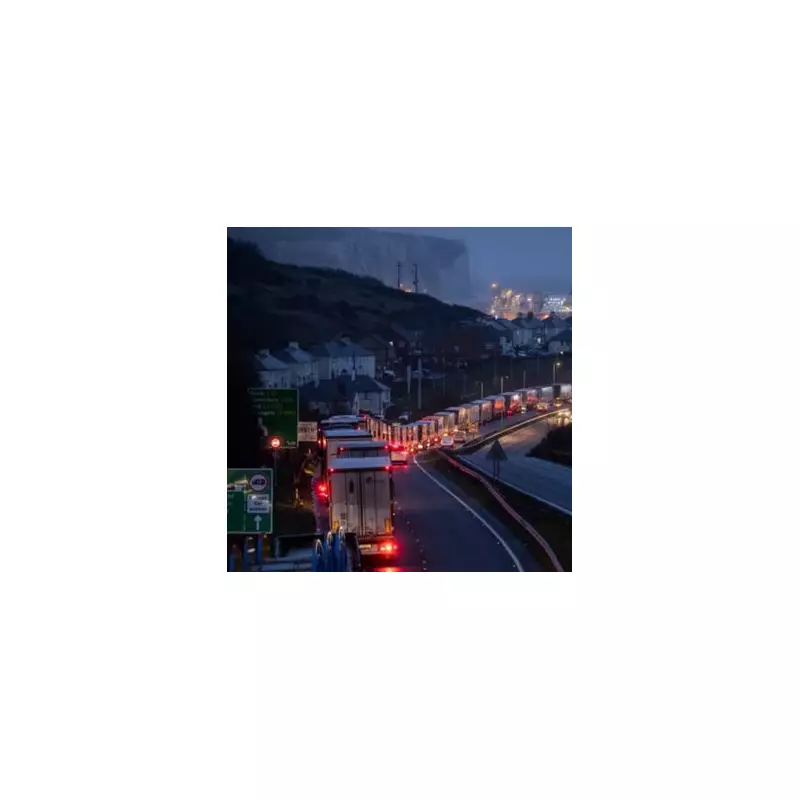
However, serious concerns about potential traffic chaos remain. Councillor Kevin Mills told the House of Lords Justice and Home Affairs Committee that Dover already experiences severe congestion. "The whole town stops. Nothing moves. I am not exaggerating," he warned, describing scenarios with 14-hour delays and emergency services stuck in queues. He stressed the impact on the town is "particularly bad."
Plans to Mitigate Border Disruption
In response to these fears, resilience forums are preparing contingency plans. Simon Jones, the strategic lead for border disruption at the Kent and Medway Resilience Forum, emphasised their commitment to reducing disruption. "We will do everything in our power to reduce the chance of disruption when the EES checks begin," he stated.
He outlined well-tested plans designed to keep critical routes like the Roundhill Tunnel open and prevent traffic from overwhelming local roads. The strategy focuses on prioritising traffic flow from Kent to Europe, aiming to minimise community impact while ensuring people can travel "as quickly and as safely as possible."
The delay until 2026 provides extra time for these systems to be refined, but the message from authorities is clear: while the introduction is deferred, the significant change to cross-Channel travel is coming.