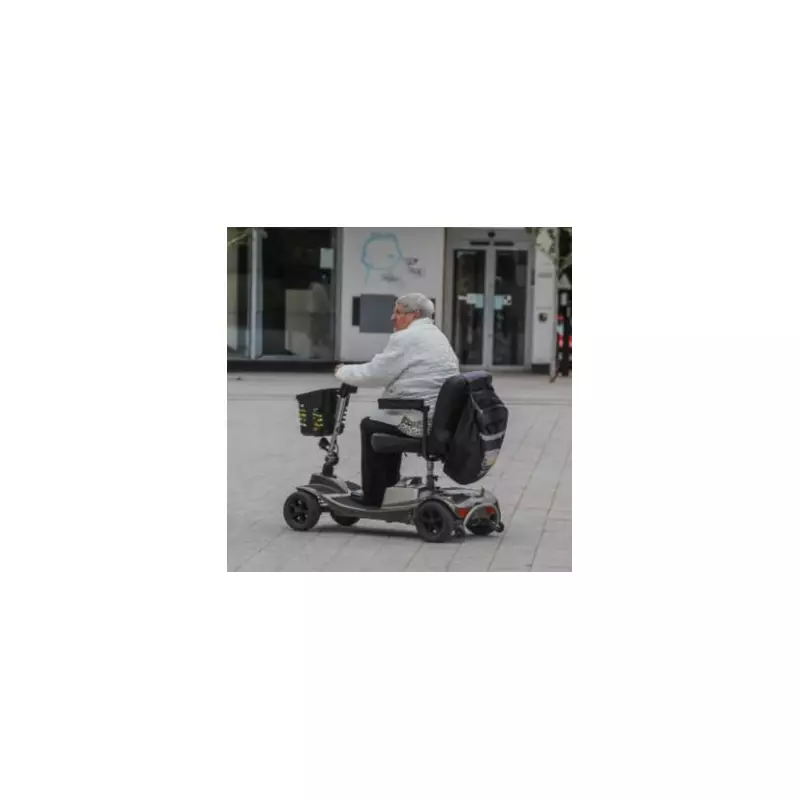
The UK government has announced significant changes to drink-driving legislation that are set to impact hundreds of thousands of mobility scooter users nationwide. Under new proposals outlined in the Road Safety Strategy, the legal alcohol limit for drivers will be reduced to 22 micrograms of alcohol per 100 millilitres of breath, bringing England and Wales in line with Scotland and most European countries.
Legal Classification of Mobility Scooters
This regulatory shift carries particular implications for mobility scooter operators due to their unique legal status. According to the Chronically Sick and Disabled Persons Act 1970, mobility scooters are classified as "invalid carriages" rather than conventional motor vehicles. This classification places them in a distinct legal category that many users may not fully understand in relation to alcohol consumption.
Expert Warnings About Awareness Gaps
Daniel Swain, a mobility expert at Seacroft Mobility, has highlighted concerning knowledge gaps among scooter users. "Many people are genuinely surprised to learn that drink driving laws can apply to mobility scooters, and that lack of awareness can put users at real risk," he explained. "Understanding the regulations before venturing out, especially when alcohol is involved, isn't about restricting enjoyment. It's fundamentally about ensuring people remain safe, protected and confident while operating their scooters."
Government Perspective on Safety and Independence
Simon Lightwood MP, Minister for Roads and Buses, emphasised the government's balanced approach to the issue. "Powered mobility devices provide vital independence and freedom for users, and our legal framework should facilitate their safe operation," he stated. This perspective acknowledges both the importance of mobility aids for disabled individuals and the necessity of maintaining road safety standards for all users.
Potential Legal Consequences Explained
When questioned about whether mobility scooter users could face penalties for drink-driving offences, an ETA spokesperson provided clarification. "The straightforward answer is affirmative - you can face penalties, though not necessarily identical to those imposed on car drivers," they explained. "While invalid carriages don't require licensing or insurance like conventional vehicles, they remain subject to Highway Code regulations and other road legislation."
The spokesperson elaborated further: "Operating a mobility scooter irresponsibly or dangerously while under alcohol's influence could still result in legal repercussions. Such behaviour might be treated as a public space offence under general safety or public order legislation, even though the vehicles themselves aren't categorised as motor vehicles."
Scale of Potential Impact
Current estimates suggest between 300,000 and 350,000 mobility scooters operate across Britain, meaning the proposed legislative changes could affect a substantial population of users. This demographic, which relies heavily on these devices for daily mobility and independence, now faces increased responsibility to understand how revised alcohol limits apply to their chosen mode of transport.
The government's initiative represents part of broader road safety improvements, but its application to mobility scooters highlights the complex intersection between disability rights, personal freedom and public safety considerations. As the proposals develop, clearer guidance for scooter users will become increasingly important to prevent unintended legal consequences while maintaining the independence these devices provide.