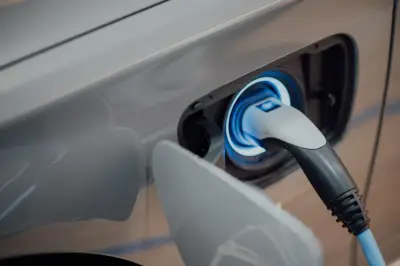
The UK government's decision to introduce a pay-per-mile car tax for electric vehicles could lead to approximately 120,000 fewer EVs being sold in Britain, according to official forecasts. This significant policy shift has raised concerns about its impact on the nation's transition to greener transport and its broader environmental ambitions.
Official Forecasts Reveal Substantial Impact on EV Adoption
According to analysis from the Office for Budget Responsibility, electric car sales were expected to rise sharply before the announcement of the new taxation policy. Initial forecasts projected that new EV sales would climb from around 500,000 annually in 2025/26 to approximately 1.7 million by 2030/31.
However, the OBR now estimates that budget measures, including the pay-per-mile tax, will reduce total electric vehicle sales by around two percent over the forecast period. This reduction equates to roughly 120,000 fewer electric vehicles being sold across the country.

Political Response and Committee Scrutiny
The policy has prompted immediate political scrutiny, with Committee Chair Ruth Cadbury MP stating: "After a major intervention in the Budget, this Committee will look under the bonnet at the Government's policies to steer us through this period of major change to the way millions of us get around from day to day."
The tax proposal, associated with Chancellor Rachel Reeves, has generated significant debate about its potential consequences for both consumers and environmental targets.
Driver Concerns and Potential Backlash
The announcement has sparked strong reactions from motorists, with many expressing frustration about the additional financial burden. One driver commented: "Why should car drivers be the cash cow for Labour because they cannot add up and get their own finance in order."
Another concern raised involves international travel: "If you drive your car abroad you shouldn't be expected to pay for the miles that you drive abroad to the UK. You are already paying for those miles in tolls in a foreign country."
Some drivers have suggested the policy might actually work against environmental goals: "The eVED cost per mile, annual road tax and expensive car supplement will deter people from buying plug-in hybrids, drivers will just trade back to petrol cars, it's cheaper. So much for their net zero ambitions."
Potential Mitigation Measures Under Consideration
In response to growing concerns that electric car demand will decline when the pay-per-mile tax is implemented, Treasury officials are reportedly examining measures to reduce costs for EV drivers. According to reports, officials are considering cutting VAT on public EV charging from the current 20 percent to just five percent.
This reduction would bring public charging VAT in line with the reduced rate that those with home chargers already pay, potentially eliminating what some have called the EV 'pavement tax'. This measure would particularly benefit drivers without access to home charging facilities, who currently face higher costs for public charging.
Broader Implications for Transport Policy
The debate surrounding the pay-per-mile tax highlights the complex balancing act facing policymakers as they attempt to:
- Generate necessary revenue for transport infrastructure
- Encourage the adoption of cleaner vehicles
- Address concerns about fairness and affordability for motorists
- Maintain progress toward net zero emissions targets
As the government moves forward with these proposals, the tension between fiscal requirements and environmental objectives will likely remain a central point of discussion in transport policy debates.