Pet Travel Boom Brings Legal Risks and Heavy Fines for Owners
More individuals than ever before are choosing to bring their pets along on holiday trips, reflecting the growing trend of treating animals as integral family members. With over fifty percent of pet owners planning vacations with their animals this year, pet-friendly breaks have reached unprecedented popularity levels. However, a significant number of owners remain unaware of the stringent legal requirements and substantial financial penalties associated with travelling with pets.
Strict Regulations and Severe Penalties
Common mistakes, such as allowing a dog to stick its head out of a car window, can result in fines reaching £5,000 and the addition of points on a driving licence. To assist pet owners in navigating these regulations safely, an insurance specialist has thoroughly examined the rules governing travel by both car and train. Sten Saar, a representative from Zego, emphasised the importance of responsible pet travel.
"Travelling with pets can be a joyful experience, but it also carries significant responsibilities. Ensuring animals are properly restrained in vehicles is not merely about legal compliance; it is fundamentally about safeguarding the well-being of both pets and drivers," Saar explained. He further noted that even minor distractions can lead to serious consequences, and implementing simple measures like harnesses or crates can profoundly impact safety.
Highway Code Requirements for Road Travel
Under Rule 57 of the Highway Code, motorists are legally obligated to ensure that dogs and other animals are appropriately restrained during journeys. This requirement aims to prevent distractions to the driver and to avoid injuries to the animals or other passengers in the event of a sudden stop. To maintain compliance and keep insurance policies valid, pet owners should utilise one of the following approved methods:
- Pet seatbelts or specially designed vehicle harnesses.
- Crates or carriers that are securely fastened within the vehicle.
- Boot or luggage guards to confine pets to the rear section of the car.
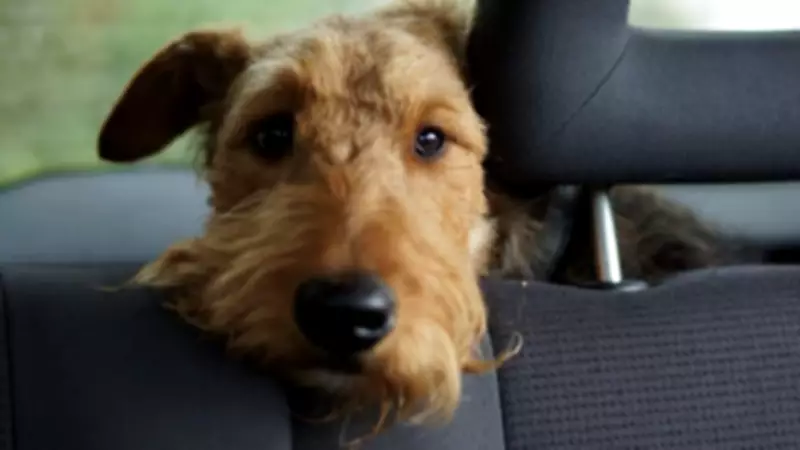
Neglecting these regulations is frequently classified as 'careless or inconsiderate driving'. Typical errors include permitting pets to sit unrestrained in the front seat or allowing dogs to hang their heads out of windows.
Risks Associated with Parked Vehicles
While no specific law explicitly prohibits leaving pets in cars, owners may still face prosecution under the Animal Welfare Act 2006. If an animal suffers due to extreme temperatures or inadequate conditions, such treatment is legally considered neglect. The penalties for this offence are severe, with maximum consequences including imprisonment for up to fifty-one weeks and fines as high as £5,000. It is always safer to either take pets along or leave them in a cool, secure environment.
Guidelines for Train Travel with Pets
Most train operators permit passengers to bring up to two domestic pets free of charge, provided specific etiquette guidelines are followed. When using National Rail services, it is crucial to remember that pets are strictly prohibited from sitting on seats or entering restaurant carriages. Dogs must remain on a lead at all times, while smaller animals should be kept in a secure carrier with sufficient space to stand comfortably.
Drivers who adopt these precautionary measures not only protect their pets but also significantly reduce the risk of accidents and subsequent insurance claims. As pet travel continues to rise in popularity, understanding and adhering to these regulations becomes increasingly vital for all pet owners embarking on journeys with their beloved animals.