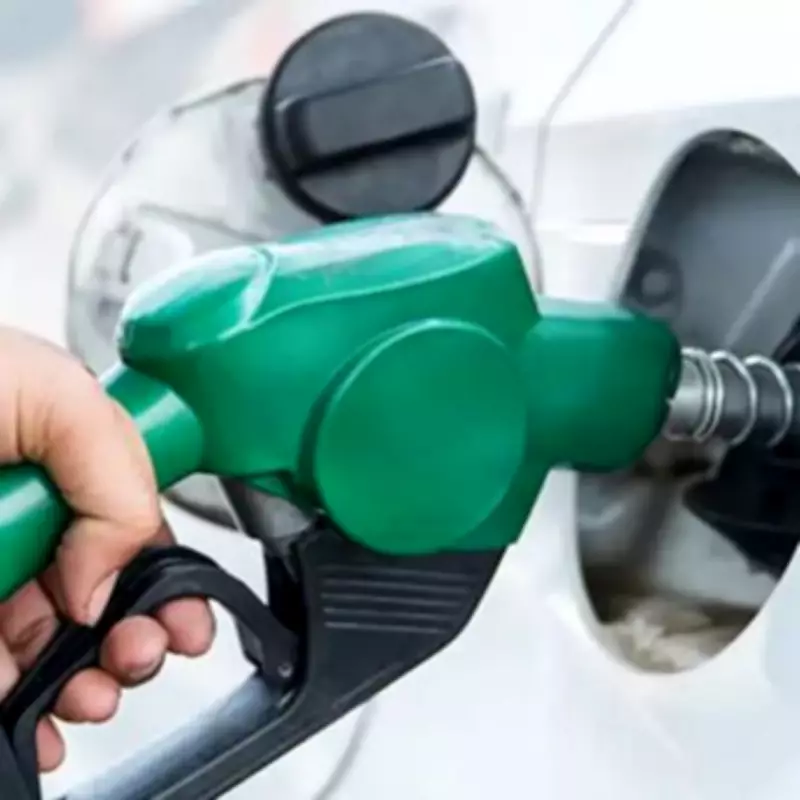
Motorists across the United Kingdom are witnessing a significant shift at the pumps, with petrol prices dropping to their lowest level in five years. According to the latest figures released by the RAC, the average cost of petrol has fallen to approximately 131p per litre, marking the most affordable fuel since 2021.
Substantial Savings for Drivers
This notable decrease represents a reduction of around three pence in January alone, following a broader decline of more than 5p since early December when prices stood at 137.17p. For the average driver filling a 55-litre family car, this translates to savings of nearly £3 per tank, offering a welcome financial reprieve amid ongoing economic pressures.
Expert Commentary from the RAC
Simon Williams, Head of Policy at the RAC, emphasised the positive impact of this trend. He stated, "Seeing the price of petrol dip under 132p is a genuine boost for drivers, rewinding prices to those we last saw four and a half years ago." Williams further highlighted that this development provides a favourable start to the year for household budgets, particularly following the festive season.
Encouragement to Utilise Fuel Finder Tools
The RAC is actively encouraging drivers to take advantage of these lower prices by filling up their vehicles. To assist motorists in locating the best deals, the organisation recommends using the fuel finder feature available in the free myRAC app. Importantly, this tool is accessible to all drivers, regardless of whether they are RAC members, and can be downloaded from both the App Store and Google Play.
Context on Retailer Margins and Competition
Despite the recent price reductions, concerns persist regarding competition within the fuel retail sector. The Competition and Markets Authority's 2025 annual road fuel monitoring report, published in December, indicated that competition has not strengthened, with retailer margins remaining at historically elevated levels. The report clarified that increased operating costs were not the primary factor behind these higher margins on petrol and diesel.
Analysis of RAC Fuel Watch data corroborates this assessment, suggesting that retailers could have passed on greater savings from wholesale market purchases. Consequently, the price reductions observed in January might have been more substantial had retailers adjusted their margins accordingly.
Broader Implications for UK Motorists
This decline in fuel prices marks a pivotal moment for drivers, offering tangible economic benefits during a period of heightened financial scrutiny. As petrol costs reach their lowest point since 2021, motorists are advised to monitor local prices and consider filling up to maximise savings. The RAC continues to advocate for greater transparency and competition in the fuel market to ensure drivers receive fair pricing moving forward.