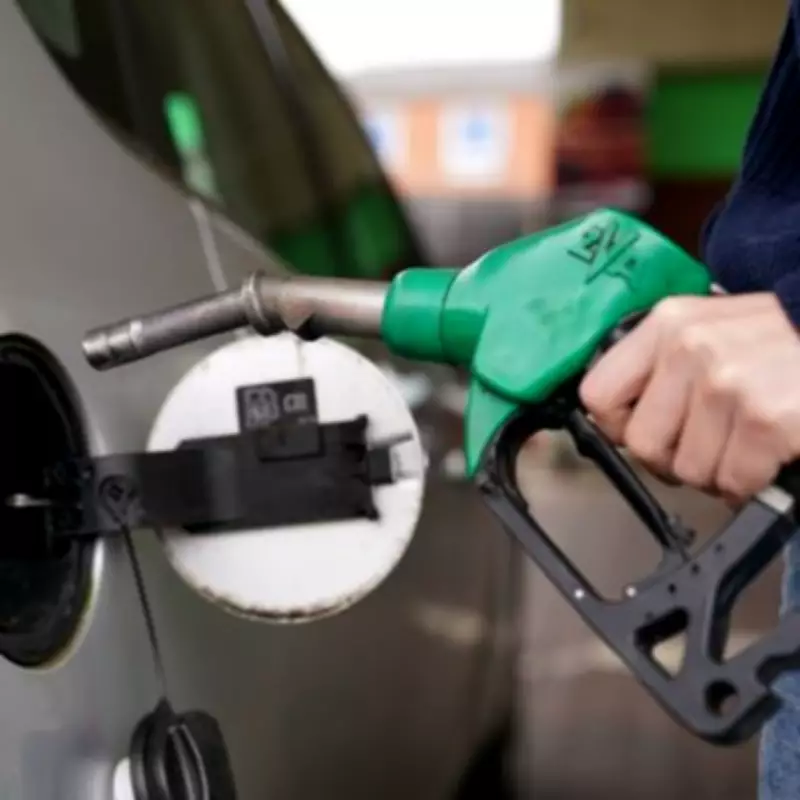
A new survey has found that a quarter of drivers ask for petrol contributions from their passengers, with 32% stating they are more likely to accept donations now than a year ago. However, car insurance experts at Tiger.co.uk have warned that giving a lift to a friend or family member in exchange for money could land drivers in legal trouble.
Fuel Costs Soaring
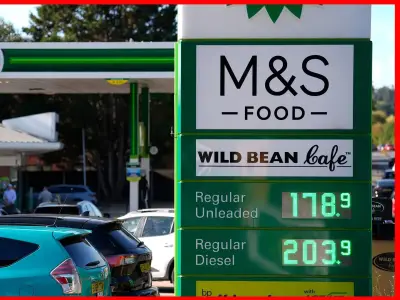
Accepting contributions towards fuel costs has become increasingly common as petrol prices have risen dramatically, from 131.7p per litre for unleaded petrol to 158p in just a few months. The cost to drivers is estimated to total £1.3 billion since the war began on 28th February.
Legal Risks
Drivers need to be cautious because accepting money for lifts could be seen as a business or taxi service, legally classified as a 'hire or reward' transaction. This could invalidate regular car insurance. To stay safe, drivers must ensure they do not make a profit. Money offered should be a token gesture, less than or equal to the actual cost of the journey.
Over half of the surveyed drivers (55%) were unaware of this risk, potentially leaving them unprotected and in danger of breaking the law. According to the Public Passenger Vehicle Act 1981, passenger contributions should be arranged before the journey and should only cover running costs like fuel and wear and tear. Exceeding these limits could result in a fine of up to £2,500.
Safe Ride-Sharing
Drivers can use legitimate and regulated ride-sharing apps to calculate suggested contributions per passenger, using the HM Revenue and Customs Approved Mileage Payment Allowance. Police have been cracking down on illegal 'cash for lifts' schemes arranged via social media, which essentially operate as unlicensed taxis. In Jersey, the illegal taxi trade is estimated to be worth £1 million a year, with some drivers making up to £300 in a single night.
Ian Wilson, car insurance expert and Managing Director at Tiger.co.uk, said: "Drivers might not know that taking petrol money from passengers could invalidate their insurance. As people look to reduce their fuel spend, car sharing is on the rise, with 14% saying they are now more likely to car share to fight escalating petrol costs. Drivers need to be wary if they accept contributions towards their fuel that they don't make a profit, or they could be in trouble with the law and risk leaving themselves unprotected."
He added: "Worryingly, the survey showed that rising fuel costs are making drivers actively change their lifestyles, with 60% saying they now stay closer to home. There are other ways drivers can help reduce fuel consumption, from regularly checking tyre pressures, to reducing the excess weight of the vehicle, avoiding idling, and driving economically with smooth braking and shifting to a higher gear as soon as possible – to help with long-term savings."