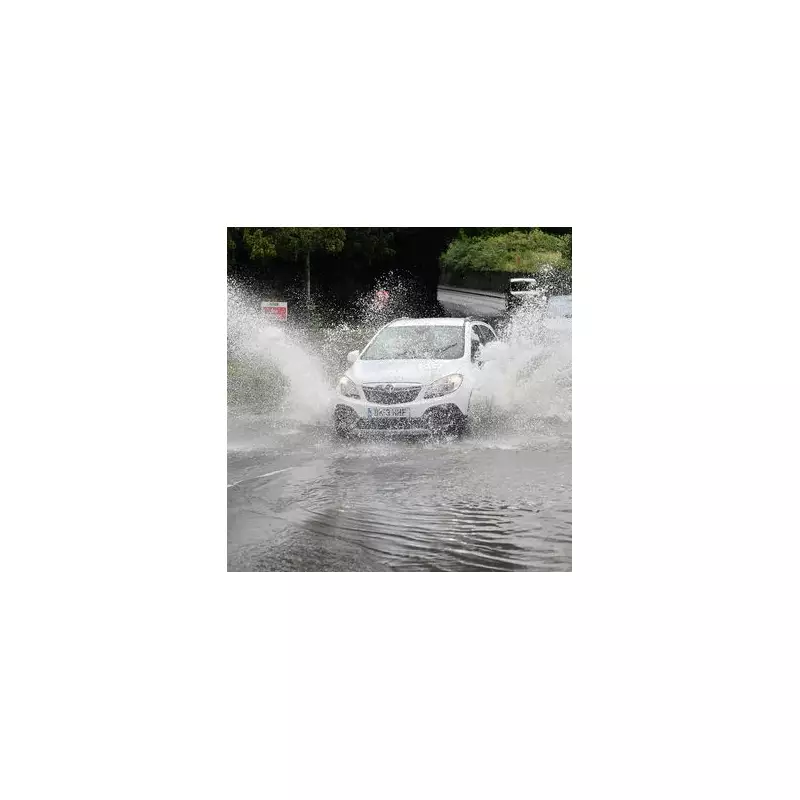
As Storm Chandra continues to batter the UK with intense rainfall, strong winds, and snowfall, creating hazardous driving conditions, the RAC has issued critical safety advice focused on aquaplaning. Also known as hydroplaning, this dangerous phenomenon occurs when a film of water accumulates between a vehicle's tyres and the road surface, causing a complete loss of traction and control.
Understanding the Dangers of Aquaplaning
Aquaplaning can be a terrifying experience for any motorist. It typically happens during heavy downpours or when navigating through substantial puddles, leading to an inability to steer, brake, or accelerate effectively. Drivers may notice several warning signs: the engine noise may suddenly intensify, the steering can feel unnervingly light, the vehicle's rear might drift sideways, or it may feel as if the clutch has been dropped while driving at speed, causing engine revs to spike.
Immediate Actions to Regain Control
If you find your vehicle aquaplaning, the RAC emphasises the importance of staying calm and following these steps meticulously to restore control and prevent a skid:
- Do not brake or accelerate harshly; instead, gently ease your foot off the accelerator pedal.
- Hold the steering wheel firmly and keep it straight to maintain your direction.
- Deactivate cruise control immediately if it is engaged.
- Once you feel the tyres regaining grip, begin to brake softly to reduce your speed safely.
Proactive Measures to Prevent Aquaplaning
The RAC outlines several preventative actions drivers can take to significantly lower the risk of aquaplaning, especially during adverse weather like that brought by Storm Chandra:
- Regularly inspect your tyre tread depth, ensuring it meets or exceeds the legal minimum of 1.6mm.
- Maintain correct tyre pressures as specified by your vehicle's manufacturer.
- Avoid exceeding speeds of 35mph in wet conditions, as higher velocities dramatically increase aquaplaning risk.
- Steer clear of sudden manoeuvres, such as hard braking, which can trigger loss of traction.
- Consider following in the tracks of the vehicle ahead, as its tyres will have displaced some water, offering a slightly drier path.
Broader Safety Considerations for Wet Weather Driving
The motoring organisation further advises drivers to always check weather forecasts before journeys, particularly for longer trips where conditions may change. Be vigilant for hazards like spilt oil or mud on roads, which become more slippery when wet. Importantly, remember that stopping distances can double in rainy weather, so maintaining a greater following distance and reducing speed are crucial.
While there is no definitive 'aquaplaning speed limit,' the RAC notes that vehicles travelling below 35mph in one to two inches of standing water are far more likely to retain sufficient traction. Adapting your driving technique to the immediate road and weather conditions is the most effective strategy for safety.