Smart motorway drivers who ignore the red X sign face a £100 fine and three penalty points, with authorities warning that the rule is simple but critical for safety. National Highways has stressed that failing to comply with the red X can lead to collisions with broken-down vehicles, traffic officers, or emergency crews.
Red X Rule Explained
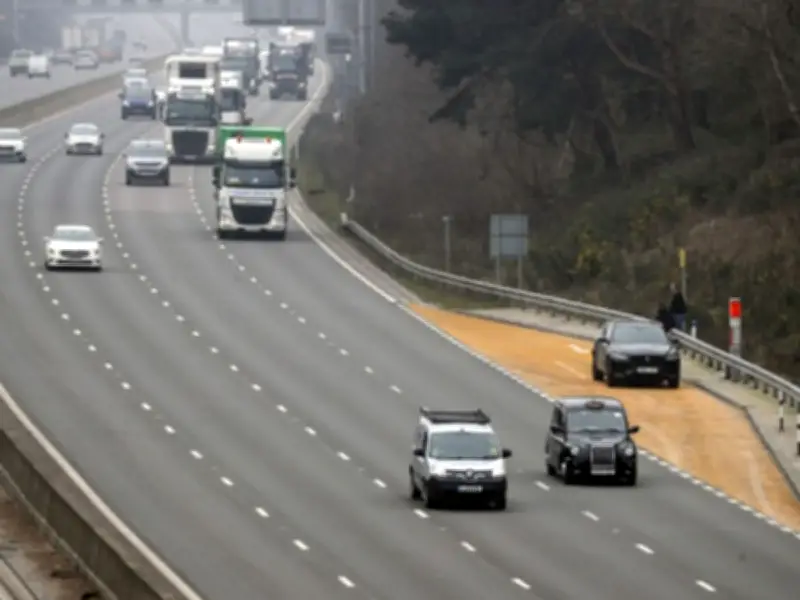
Jamie Hassall, Highways Agency national enforcement co-ordinator, said: "It is pretty simple – if you see a Red X, don’t drive in that lane. If you do, you could collide with a broken down vehicle, or with a traffic officer, emergency service crew or recovery operator working in that lane." He added that complying with the red X helps traffic officers and emergency services attend to incidents and reopen lanes more quickly.
Safety Risks and Penalties
Edmund King, AA president, said: "When a vehicle is broken down in a live running lane the Red X is a potential life saver. Drivers who ignore the Red X are not only putting themselves and the lives of other motorists around them at risk but are also risking prosecution." He noted that even if a driver believes the red X is incorrectly shown, they must not ignore it. "A slight delay in their journey is nothing compared to the danger they are putting others in by ignoring these instructions which are critical to the safe operation of motorways."
Enforcement and Consequences
Claire Wills-McKissick, temporary car insurance expert at Tempcover, commented: "The automated cameras monitoring Red X closures operate continuously, and the data shows many drivers haven't adjusted their behaviour to reflect that. Entering a closed lane carries real risk: an automatic £100 fine, three penalty points, and in serious cases, a court appearance." She added that red X signs exist to protect everyone on the road, including drivers who have broken down, emergency services, and other road users. "Ignoring them or responding too late doesn't just risk a penalty; it puts all road users in genuine danger."
Wills-McKissick also highlighted that concentration can drop on long motorway runs, leading to missed red X signals. She suggested that a temporary second driver policy, arranged from as little as one hour, can help manage fatigue on long journeys and keep everyone safer.