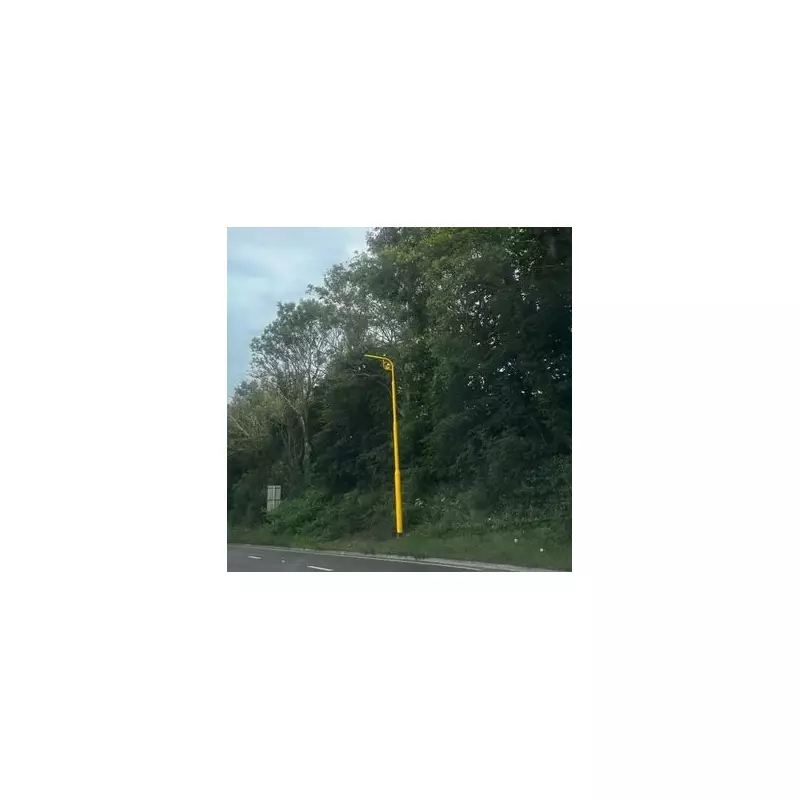
Revolutionary speed camera technology has been credited with creating a "dramatic" improvement in safety along a critical transport corridor in southwest England. The A38 route passing through both Devon and Cornwall has experienced a remarkable transformation following the implementation of these advanced monitoring systems.
Quantifiable Safety Improvements
Detailed analysis of collision statistics reveals that the section of the A38 between Dobwalls and Bodmin in Cornwall has witnessed a substantial 45 per cent decrease in serious and fatal accidents over a five-year monitoring period. This impressive reduction covers the timeframe from June 2020 to May 2025, compared directly with the five years preceding the camera installation from 2015 to 2019.
Statistical Evidence of Success
The data compiled by National Highways demonstrates that serious incidents on this stretch of roadway dropped from 22 recorded cases during the pre-camera period to just 12 incidents in the years following implementation. This represents a significant improvement for a route that previously suffered from accident rates considerably higher than national averages.

James Millidge, chairman of the Safe38 campaign group, expressed enthusiastic support for these findings. He stated: "This isn't just an anomaly as the year on year peaks have been almost halved between the two data sets, demonstrating that these cameras have been incredibly effective and consistent at reducing deaths and serious injuries on this notorious stretch of road."
Addressing Safety Concerns
Millidge further emphasized the importance of these results, noting: "We can't emphasise enough how positive this data is. It demonstrates unequivocally that these safety measures have saved lives and made an improvement to people's livelihoods." He directly addressed previous criticisms of the camera system, adding: "We have often been told (without any evidence) that the cameras have made the road less safe, but nothing can be further from the truth."
Ongoing Safety Benefits
The campaign chairman explained the continuing advantages of reduced speeds, stating: "We know that collisions do still occur but when they do a lot of them are less severe than they might otherwise have been due to reduced speeds." This highlights how the camera system contributes to minimizing injury severity even when accidents cannot be completely prevented.
The A38 through the Glynn Valley in southeast Cornwall had previously recorded a kill or serious injury rate 2.5 times higher than the national average before the camera installation. The current data suggests these innovative safety measures have fundamentally altered the risk profile of this important transportation route.