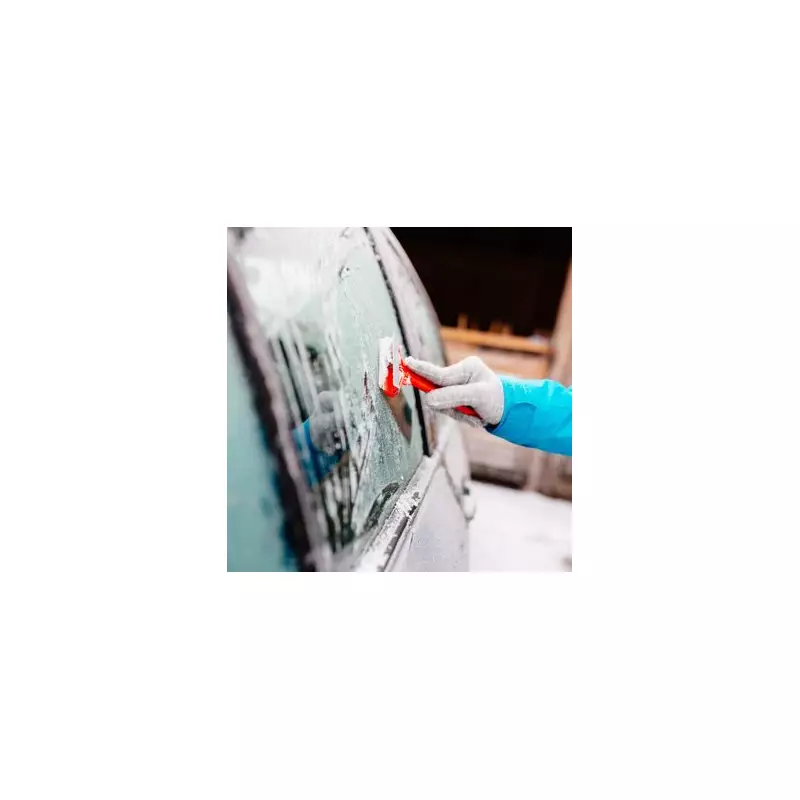
As winter tightens its grip, many drivers across the UK face the daily frustration of a windscreen completely encased in ice. This common cold-weather nuisance not only delays morning commutes but can also lead to significant fines if vehicles are driven with impaired visibility. However, a surprisingly simple and unlikely solution has been suggested by automotive specialists, requiring just a common household item found in most kitchens.
The Unconventional Onion Method Explained
According to advice from the motoring experts at LeaseCar, drivers can effectively prevent a troublesome layer of ice from adhering to their windscreen overnight by using a brown onion. The technique involves slicing the onion in half and gently wiping it across the entire surface of the glass before retiring for the evening.
The natural oils present in the onion are said to create a slick, protective barrier on the windscreen. This layer works to stop water droplets from sticking to the glass and subsequently freezing, whilst also helping to dissolve any existing frost that begins to form. It's a low-cost, chemical-free alternative to commercial de-icing sprays.
Expert Endorsement of the Kitchen Hack
This unusual tip has garnered support from other industry professionals. Motor Match has publicly backed the method, stating: "One unique tip is to use an onion to treat the glass the night before. Simply cut an onion in half and rub it across the windscreen. The natural oils in onions create a barrier that helps prevent frost buildup by breaking down frost as it forms."
The importance of maintaining a clear windscreen cannot be overstated, especially with reports indicating that motorists risk penalties of up to £2,500 for operating a vehicle with icy windows. This makes preventative measures, however unconventional, worth serious consideration.
Alternative De-icing Strategies from Experienced Drivers
While the onion hack offers a novel preventative approach, many seasoned drivers in colder climates rely on more traditional methods to deal with morning ice. Discussions on platforms like Reddit reveal a wealth of practical, if sometimes debated, techniques.
Physical Barriers and Covers: A popular suggestion is the use of a physical windshield cover. One user recommended: "Put a towel over your windshield and then, when it's time to shovel out the car, your windshield will be clear!" Specially designed plastic sheets held in place by magnets are also used in extreme climates like Michigan or Sweden, effectively shielding the glass from the elements overnight.
The Trusty Ice Scraper: For many, a robust ice scraper remains the definitive tool. A user with 27 years of Canadian winter experience asserted: "Scraper, end of discussion... using water is stupid." The consensus among proponents is that a good plastic scraper, used correctly, is effective and poses minimal risk of scratching the glass when dealing with bonded ice.
Vehicle Preparation and Defrosting: Proper use of the car's own systems is another key strategy. Advice includes starting the vehicle and running the defroster for several minutes to gently melt the ice's bond to the glass before attempting to scrape. This method requires caution, as one user warned about the risks of overheating if radiator circulation is impeded by freezing temperatures.
Some drivers in persistently icy regions even modify their windshield washer fluid, using a high-concentration isopropyl alcohol (IPA) solution similar to what is used for de-icing aircraft, to help melt frost on contact.
Weighing Your Winter Windscreen Options
Ultimately, the best approach may depend on the severity of the winter conditions and personal preference. The onion method presents an accessible, chemical-free preventative measure for occasional frost. For heavier, regular ice, investing in a quality scraper or a dedicated windscreen cover might be more reliable. Whichever method you choose, ensuring full visibility before driving is not just a matter of convenience but a critical legal and safety requirement during the winter months.