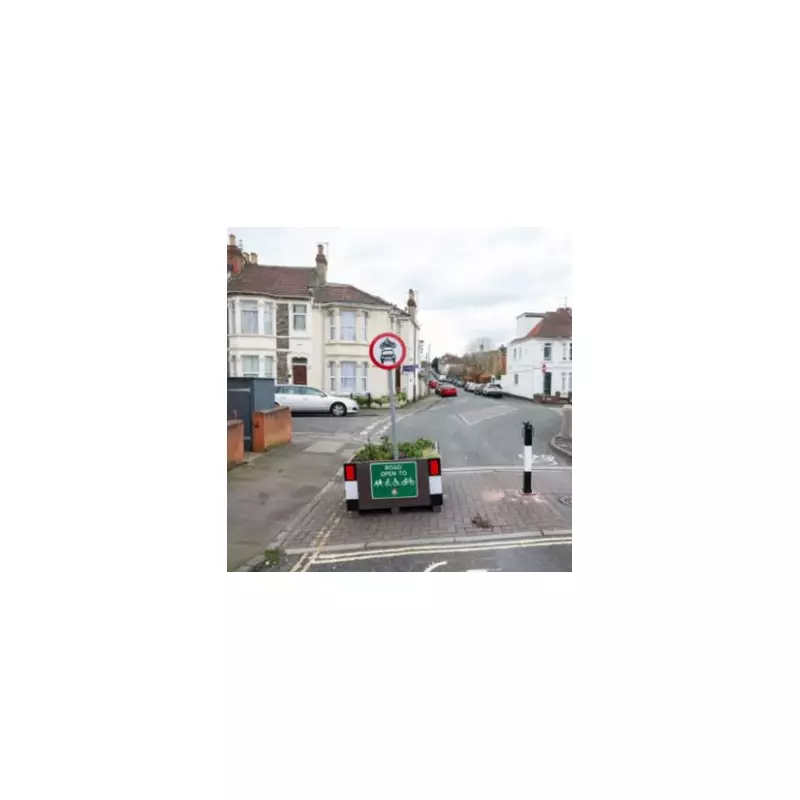
Transport for London officials have made a significant admission regarding the implementation of Low Traffic Neighbourhoods across the capital, acknowledging that the schemes have increased congestion for private vehicles in certain areas.
Official Testimony Reveals Mixed Impact
During a recent session with the London Assembly Transport Committee, senior TfL representatives provided candid testimony about the effects of LTN implementation. Carl Eddleston, Director of Streets and Network Operations at TfL, revealed that while most of the approximately 100 LTNs installed primarily during the Covid period have been "huge successes," they have contributed to increased traffic congestion in specific locations.
"They provide significant safety and active travel benefits," Eddleston stated. "Most of them are on borough roads, so they're not a TfL decision. In some locations they have added congestion to the local area, but nearly all of them have been huge successes."
Ongoing Review and Community Engagement
The TfL director emphasised the importance of continuous assessment and community consultation regarding these traffic management schemes. "We do need to continue to actively review them – there's been a huge amount of listening to communities and tweaks to LTNs," Eddleston explained, highlighting the evolving nature of these urban planning initiatives.
Strategic Shift Toward Sustainable Transport
Christina Calderato, Director of Transport Strategy and Policy at TfL, provided context for the organisation's broader transportation philosophy. "Everything we're doing in shifting people toward more sustainable modes is aimed at traffic reduction," she told the committee members.
Calderato elaborated on the balancing act required in managing London's complex road network: "We need a functioning and effective road network for freight, taxis, private car trips – but we need to make sure that most of the time for most people, there is an attractive alternative."
Reallocating Road Space for Efficiency
The transport strategy director detailed how TfL approaches road space management in a growing city. "We have seen car use and traffic continuing to decrease, but a change in the types of vehicles used on the network," Calderato observed. "In a growing city, to accommodate more people and move them efficiently, we need to consider how best we use that road space."
She explained the strategic thinking behind reallocating road space: "Some of that means reallocating that space toward more space-efficient modes such as buses. That does reduce the amount of space for general traffic in some locations where appropriate. You are still managing to move many more people through that corridor in the same amount of time."
Calderato concluded: "If it means we can accommodate greater people moving through the area, we're for more people having a smoother, more reliable journey."
Political Support for LTN Initiatives
London Mayor Sir Sadiq Khan has publicly defended the Low Traffic Neighbourhood approach despite the acknowledged congestion impacts. Posting on social media platform X, the Labour Party politician framed LTNs as essential for urban improvement.
"Another example of us doing what is right for Londoners: More liveable neighbourhoods. Healthier communities. Fewer collisions. Fewer deaths and serious injuries," Mayor Khan stated. He added: "Change isn't easy, but I'm willing to make tough choices to make our city safer."
The mayor's comments reflect the political dimension of transportation policy in London, where safety improvements and sustainable transport goals sometimes conflict with traditional traffic flow patterns.