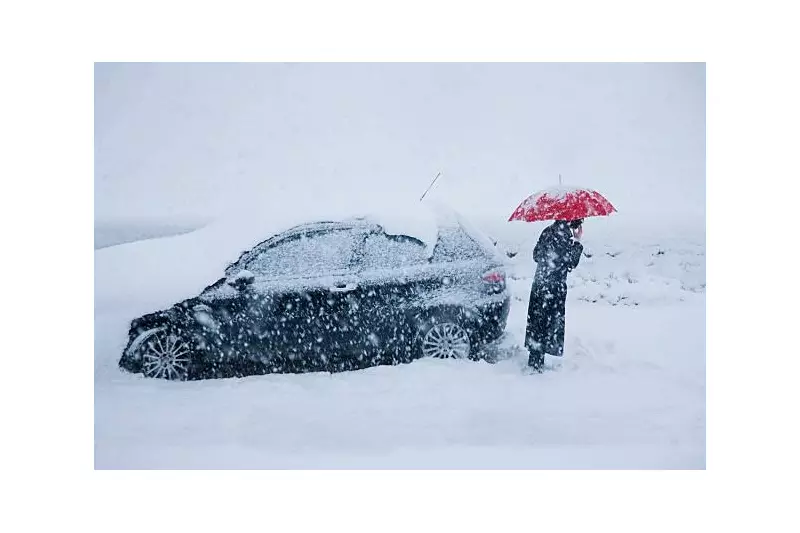
As another cold snap looms over the United Kingdom, a stark warning has been issued to motorists: winter remains the most perilous season for vehicle reliability. New figures from the AA underscore the severe impact of plummeting temperatures, with an average of 270,000 drivers experiencing breakdowns each January alone.
The Seasonal Surge in Roadside Emergencies
Data compiled by the AA paints a clear picture of the annual winter crisis on Britain's roads. January consistently emerges as the peak month for breakdown callouts, with the organisation responding to approximately 270,000 incidents. February follows closely behind, with around 255,000 callouts in an average year. This sharp seasonal increase highlights how cold weather pushes already stressed vehicles beyond their limits.
Why Cars Fail in the Cold
Colder conditions place significant additional strain on critical vehicle components, particularly those already operating near their maximum capacity. The most common culprit during winter months is the humble car battery. Lower ambient temperatures drastically reduce a battery's performance, while cold starts demand substantially more power from the engine. This combination proves fatal for ageing or weakened batteries, leading to widespread failures.

Beyond flat batteries, the AA reports increased incidents of non-starting engines and tyre-related problems during colder months. Dropping temperatures naturally reduce tyre pressure, while challenging winter road conditions raise the risk of punctures and damage. Despite these well-documented risks, AA research indicates that only a small proportion of drivers regularly test their battery before the onset of cold weather, with many skipping basic seasonal checks altogether.
The Risks and Realities of Winter Breakdowns
Breaking down in winter isn't merely an inconvenience; it can pose serious safety risks, especially in freezing temperatures or during periods of poor visibility. If a vehicle does fail, the immediate priority is to move to a safe position and use hazard lights and indicators to alert other road users. Promptly calling for roadside assistance is crucial, and being able to provide an accurate location can significantly reduce waiting times, particularly in remote or rural areas.
Preparation and Prevention Strategies
Being prepared for winter breakdowns need not be expensive. Carrying essential emergency supplies can make a substantial difference if the worst occurs. A fully charged mobile phone, warm clothing, a torch, and basic provisions can help drivers remain safe and comfortable while awaiting assistance.
Simple preventative measures can also dramatically reduce the likelihood of a winter breakdown. Motorists are strongly advised to:
- Check their battery's condition and charge level
- Ensure tyres are correctly inflated and have adequate tread depth
- Top up essential fluids, including coolant and screen wash
- Arrange for a proper vehicle service before winter arrives
Technological solutions are also playing an increasing role in breakdown management. The AA now offers an app-based system that uses a smartphone's GPS to pinpoint a stranded driver's exact location for patrols, streamlining the assistance process and potentially reducing waiting times.
While membership options for breakdown cover start from a modest monthly fee, the exact cost varies depending on individual circumstances and vehicle details. The fundamental message remains clear: proactive preparation and basic vehicle maintenance are the most effective defences against becoming another statistic in the annual winter breakdown surge.