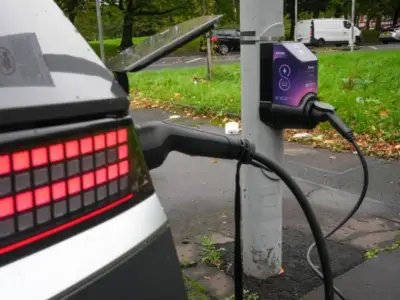
Electric vehicle owners will be hit with a new 3p-per-mile tax from 2028, potentially costing the average driver around £267 annually, under a measure championed by Greater Manchester Mayor Andy Burnham and the Labour government. The tax, known as the Electric Vehicle Duty (eVED), is expected to affect 5.6 million motorists by the 2028-29 financial year, according to a government impact assessment.
Details of the New Tax
The Department for Transport confirmed that the 3p-per-mile rate applies to all electric vehicles, with the average driver covering approximately 8,900 miles per year. This equates to an extra £267 per year on top of existing vehicle costs. The measure was first announced by former Chancellor Rachel Reeves and remains a priority for the government, with Mr Burnham reportedly still committed to its implementation.
Simon Staton, client management director at Venson Automotive Solutions, warned that the tax could deter drivers from switching to electric cars. His firm’s research found that 62% of drivers said the levy would put them off purchasing an EV. Staton commented: “This should ring alarm bells for policymakers as it undermines the transition to cleaner vehicles.”
Government Justification
The Department for Transport defended the tax, stating: “All vehicles contribute to congestion and wear and tear on the roads, but drivers of petrol and diesel vehicles pay fuel duty at the pump to contribute their fair share. However, drivers of electric vehicles do not currently pay an equivalent.” The department added that the Office for Budget Responsibility forecasts declining fuel duty receipts as EV adoption rises, making eVED necessary to replace lost revenue.
The tax will be collected when drivers renew their Vehicle Excise Duty (VED) after April 2028. It is designed to vary based on miles driven, similar to fuel duty for petrol and diesel cars.
Political and Economic Impact
The policy places Andy Burnham at the center of a contentious debate, as he previously advocated for a fairer road pricing system. Critics argue the tax could slow EV adoption, while supporters say it ensures all road users contribute to infrastructure costs. The government insists the measure is essential for long-term fiscal sustainability, with receipts used to maintain roads and reduce congestion.
With 5.6 million vehicles affected, the tax is projected to generate significant revenue, though exact figures have not been disclosed. The policy also comes amid broader changes to vehicle taxation, including higher VED for luxury cars and incentives for zero-emission vehicles.
Reactions and Future Outlook
Industry groups have expressed mixed reactions. Some welcome the clarity, while others warn of unintended consequences. The RAC called for further consultation to avoid penalizing early adopters of electric vehicles. Meanwhile, environmental campaigners urge the government to reinvest proceeds into charging infrastructure and green transport.
As the 2028 deadline approaches, drivers are advised to factor the new tax into their running costs. The government plans a public awareness campaign closer to the implementation date.