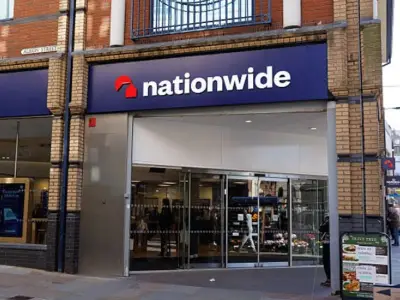
NatWest is investing £50 million in its remaining branch network over the next 18 months, testing pop-up branches, mobile vans and even a signature scent, as it adapts to changing customer behaviour. The bank, which has closed more than 1,000 sites in the past decade, has committed to no further closures until at least 2029.
Branch network adapts to digital shift
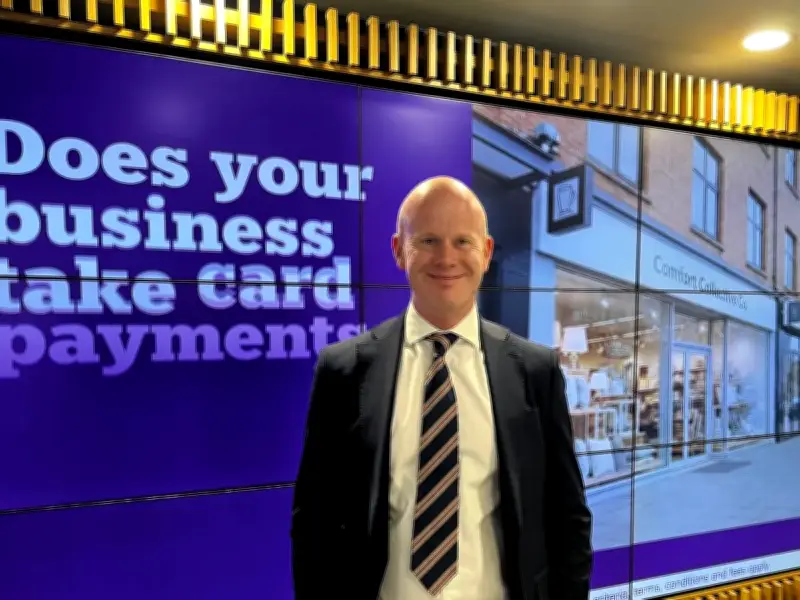
Andrew Harrison, managing director of direct and local banking at NatWest, told BusinessLive at the bank's Market Street branch in Manchester that the days of rows of counters behind glass are gone. Instead, staff with digital tablets greet customers and direct them to advanced digital banking machines.
“What you can see is much more of an open space,” said Harrison. “Pre-COVID, cash was about 23% of all transactions in the UK. Now, it's only 9%. So, cash is still important in the branch, but for customers it's become less of the main thing.”

Harrison added: “Some 97% of all of our new account opening is done digitally. And if you went back 10 years, you'd be coming in a branch to do that. Most customers don't want to do those sorts of things by filling in forms or speaking to people because they can do it themselves, and digital is a better service. It's really the additional services on top where empathy, reassurance, support, guidance are required. That's where our people really fit into the mix.”
Investment and closure pledge
NatWest has closed more than 1,000 sites over the past decade but has said it will keep investing in its remaining 350-plus branches. In June, the bank announced what it said would be its final closures for three years, and said it was planning to invest another £50m into its remaining branch network over the next 18 months.
Solange Chamberlain, CEO of retail banking at NatWest, said at the time: “We will not announce any further branch closures until at least 2029.”
Harrison said that while the previous closure programme had been “aligned to that change in customer behaviour”, many customers still wanted physical access. He added: “It's not just one demographic. I think there's a conception that it's older people, but I was talking to one of our senior personal bankers who's in the room next door – his first customer this morning is a graduate who's just come out of university and wants to plan for the future. So, it's across all demographics. That real desire to speak to people to get help, advice, reassurance, trust hasn't gone away. And that's why this investment into branches is really important.”
Scent, pop-ups and mobile vans
NatWest says that since 2020 it has invested £115m in its branch network and has spent another £195m on its ATMs and digital banking machines. It’s planning to spend another £50m in 2026/27. The bank has developed its own “Branch Banking Signature Scent” called Uplifting, which it has tested in London and now plans to roll out nationwide.
Harrison said: “We're also testing scent – how does scent and smell impact a customer's experience? What we're finding is that if you've got the right scent, it can become more calming. Even today coming into a bank can be a bit intimidating. So how do we make it a more welcoming, warmer experience for those customers?”
The move comes a decade after Lloyds Bank tried using a white tea and thyme scent at one of its London branches. NatWest said Uplifting “combines fresh bergamot, mandarin citrus notes with jasmine, rose and iris, finished with warm amber and sandalwood”. It was tested in the bank’s Hammersmith branch over several months and underwent health and safety reviews including allergen and air quality assessments.
NatWest also offers a mobile banking service in some areas, which at RBS in Scotland even includes a “Flying Banker” who travels to islands in Orkney on a small plane. It also works with Cash Access UK on its banking hubs. The group’s “banks on wheels” in vans serve 577 communities in areas including North Wales, northern Scotland, Cumbria, Cornwall and rural Northern Ireland through Ulster Bank.

Harrison said: “I was in Wales two or three weeks ago, in Bangor, where we've got a mobile van which goes out round the rural communities around North Wales. I think the furthest we go is about two hours away. And there's only perhaps two or three customers at the furthest reach. But the importance of that van in that community and serving those customers is really, really high, because they are a long way away from being able to get into the nearest branch. So, it's a real lifeline to those areas.”
Earlier this year, RBS ran a pop-up branch at the Fort Kinnaird shopping centre in Edinburgh. Harrison said: “Fort Kinnaird was fabulous. What you saw was like customers that were walking by and then they'd see us, and then do a double take because they didn't expect you to be there. I was there one afternoon, it was 4pm, Edinburgh, a bit dark and getting cold, and there was this young mum with a pushchair going by. And she literally started to pat her pockets, and one of the branch team went up to her, and it turned out she'd been locked out of her mobile app for about three months and never got round to doing it. So, we took her inside, sat her down, made her comfortable, sorted her out, and then off the back of that as well, organized a financial health check afterwards. If we hadn't been there, you wouldn't have had that type of interaction.”
Business services return to branches
Some services for SMEs and businesses are also being offered in branches, even in a city such as Manchester where NatWest has a long-established Accelerator hub. Harrison said: “We've started a pilot – Manchester is one of the areas – where the business managers are coming back into the branch to upskill branch colleagues so that they can support more business customers. Having somebody on hand to help the branch team deal with that business customer,...we're really starting to see some benefits from that.”
The partnership with the Post Office allows NatWest customers to access cash facilities in about 11,000 different locations. Harrison said: “It's making sure that we've got some presence in somewhere, everywhere. The final stage is the partnership with the Post Office allows our customers to access cash facilities in about 11,000 different locations. So, it's like a layering approach, but we want to be everywhere in some form.”