Chancellor Reeves Advocates for Closer EU Ties to Ease Household Costs
Households across the UK could experience reduced prices for everyday goods if the nation moves toward closer regulatory alignment with the European Union. Chancellor Rachel Reeves has proposed that adopting more Brussels-led rules will lower trade barriers and help manage the escalating cost of living, offering a potential respite for strained family budgets.
Warning Against Economic Isolation
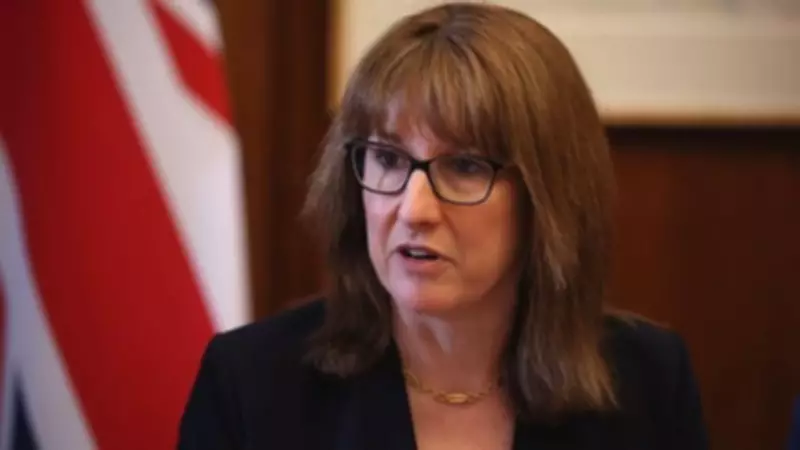
In a speech at the annual Mais Lecture at Bayes Business School, Chancellor Reeves cautioned that without a more collaborative relationship with Europe, the UK risks being 'stranded' between major global economies. She emphasized that forging a new and stable future relationship with the EU is the most effective strategy to provide stability for both consumers and businesses, aiming to end what she describes as the 'profound uncertainty' that has plagued the economy since Brexit.
While the UK will maintain its own rules in certain areas, Reeves stated that these differences should now be 'the exception, not the norm.' She highlighted that closer cooperation is essential to driving down inflation, which has severely squeezed household finances, asserting, 'The prize is considerable.'
£2.3bn Investment Boost for Regions
As part of this strategy, the Chancellor announced a £2.3bn investment boost specifically targeted at the West Midlands and Northern England. These city investment funds are designed to empower local leaders with greater control over spending decisions, boosting job opportunities and supporting regional projects.
Reeves pointed out the underperformance of major UK cities outside London compared to their European counterparts, such as Stuttgart, Turin, and Lyon. She argued, 'There are huge gains to be made if we can only close that gap, if we back Manchester and Liverpool and Leeds to match and overtake' these cities, underscoring the potential for economic revitalization through targeted investments.
Political and Economic Debates
Acknowledging the need to win the political argument, Reeves clarified that this plan is not an attempt to 'turn back the clock' on the 2016 referendum. She stated, 'The truth is this: Britain's future prosperity will not be built in isolation, but through partnerships. And no partnership is more important than that between the UK and our European neighbours.'
However, critics have questioned whether this focus on EU relations distracts from current economic challenges. Shadow Chancellor Sir Mel Stride argued that recent tax changes and stalled growth are more pressing concerns, stating, 'Rachel Reeves wants to blame everybody else but herself for her dreadful management of the economy. After £66bn in tax rises, growth has stalled, business confidence has collapsed, inflation is higher, and unemployment is rising.'
Stride added, 'But instead of owning the damage she's done, Reeves is dragging us back into the old Brexit arguments. The Chancellor is utterly deluded and gaslighting the public to cover her own failures.' This debate highlights the ongoing tensions between addressing immediate economic issues and long-term strategic partnerships.