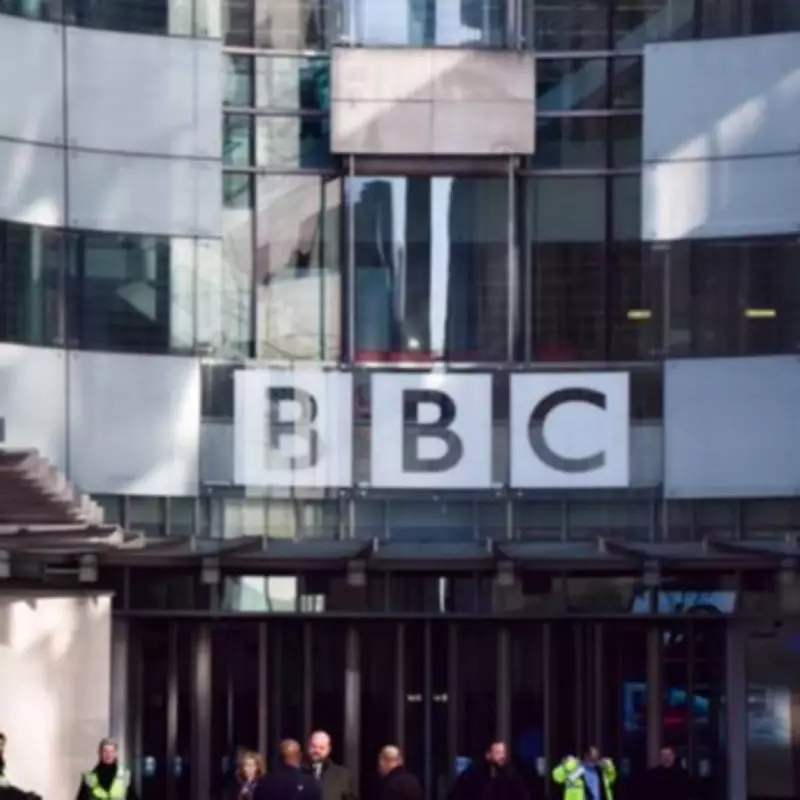
BBC Announces Major Restructuring with 2,000 Job Losses
The BBC has confirmed plans to eliminate 2,000 positions across the corporation, representing approximately one in ten of its workforce. The announcement was delivered during what staff members described as a "savage" all-staff phone call on Wednesday, April 15, 2026, leaving many employees uncertain about their professional futures.
'It Was Savage' – Staff Reaction to Announcement
During the 3pm conference call, interim director-general Rhodri Talfan Davies informed employees of the impending cuts but provided no specific details about which departments or individuals would be affected. One staff member who participated in the call told the Press Association: "It was savage. They have not outlined how or where these jobs will be cut and it's caused huge panic."
The employee continued: "One in every ten will lose their job which is awful. It's a touch Hunger Games where we dialled in to be told you're going to have to fight for your jobs or you're going to have to put someone up to be sacrificed. Nobody knows who's going and we're asking the bosses but they don't know either."

Cost-Cutting Measures and Leadership Transition
The job reductions form part of broader efforts to slash costs by ten percent over the next three years, marking the most significant round of BBC redundancies in nearly fifteen years. This announcement comes just weeks before former Google executive Matt Brittin assumes the role of director-general on May 18, with interim leader Rhodri Talfan Davies acknowledging the challenging nature of the news.
Talfan Davies told staff: "All of this needs to be done with real care – for our audiences and, of course, for all of you. I know this is challenging news, and we'll need to work closely together to build our plans. My commitment to you is that we'll do everything possible to try to reduce the strain and uncertainty that change of this kind brings."
Broader Context of BBC Financial Pressures
The broadcaster has been grappling with substantial financial pressures in recent years, having announced in February that it would cut spending by hundreds of millions of pounds over the next three years. The corporation aims to achieve savings of around ten percent of its costs by 2029, though specific details about affected services remain unclear.
These latest cuts follow earlier reductions, including plans announced in January 2025 to eliminate 130 positions at the BBC World Service as part of efforts to save approximately £6 million. The broadcaster has also revealed intentions to dramatically scale back its team responsible for covering national events, such as royal occasions and state funerals, to a single staff member supported by freelancers.
Political and Union Responses
Culture Secretary Lisa Nandy commented on the situation earlier in the day, stating: "This Government believes in the BBC, and we think it is one of the two most important institutions in the country. The NHS looks after the health of our people, and the BBC is one of the greatest defenders of the health of our nation."
The National Union of Journalists (NUJ) strongly condemned the corporation's plans, with general secretary Laura Davison stating: "Plans for more brutal job cuts are wrong, damaging and will cause uncertainty and distress for workers at the BBC. Previous rounds of cuts have led to reduced programming, loss of experience, unmanageable workloads, fewer opportunities and have significantly hit staff morale."
Davison emphasized: "These cuts severely undermine the BBC's ability to fulfil its purposes: providing quality journalism and programming that informs, educates, and entertains. Plans for further cuts follow years of real-terms budget reductions and relentless cost-saving measures which have impacted core parts of the corporation. This can't go on. The BBC cannot provide quality journalism without the talented and experienced workers who make it possible."

Financial Context and Future Challenges
Mainly financed through the annual television licence fee, which increased to £180 on April 1, the BBC faces increasing scrutiny regarding value for money as it competes with streaming giants like Netflix and Disney+. The corporation's financial challenges come during a period of leadership transition, with former director-general Tim Davie having left his position on April 2 after announcing his departure in November following several turbulent years for the broadcaster.
The timing of the announcement has raised concerns among staff, with one employee noting: "Talk about getting bad news before the new DG starts. It will be one of the first things the new DG has to deal with – staff in full revolt and a Government who aren't impressed by the BBC's lack of warmth to it."