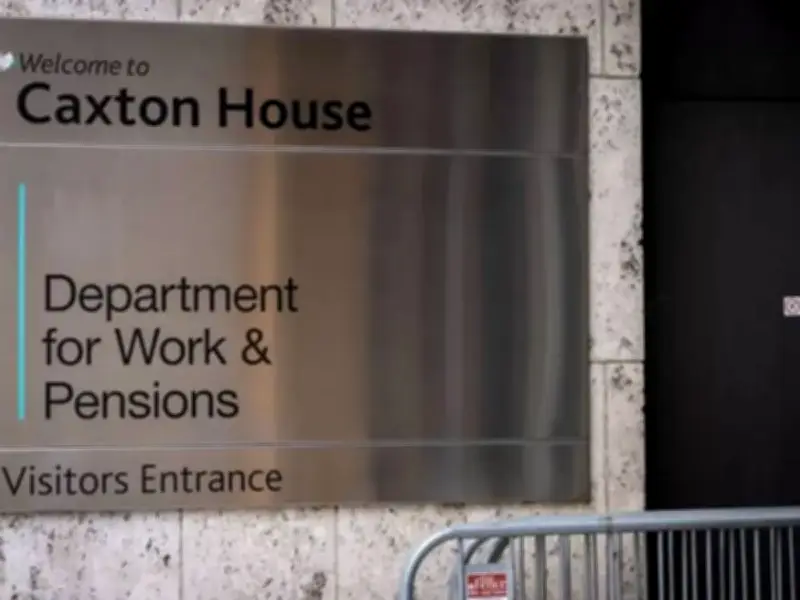
The Department for Work and Pensions (DWP) has confirmed that a change for Universal Credit claimants born after 2001 has taken effect, with the Youth Jobs Guarantee now being rolled out in pilot areas before a nationwide expansion by November.
Pat McFadden, the DWP minister, celebrated the launch of the scheme, which is initially being piloted in six areas with high unemployment, including central and east Scotland, Birmingham and Solihull, and south-east and south-west Wales. The first launch took place in Nottingham this week.
Eligibility and scale of the scheme
The jobs guarantee will eventually be available to under-25s, meaning those born after 2001, who have been claiming Universal Credit and seeking work for at least 18 months. The government aims to create 90,000 subsidised placements over the next three years through the initiative.

The scheme is part of a wider government response to rising youth inactivity, with the number of young people not in education, employment or training (Neets) in the UK recently topping 1 million. Alan Milburn, who is reviewing youth inactivity for the government, previously warned that the number could hit 1.25 million by 2030 without intervention.
Minister's response to early participants
Speaking about the recruits taking part in the first launch in the East Midlands, Mr McFadden said: “It was just amazing for me to hear their stories.”
The Labour Party cabinet member added: “These are young people who have been out of work for one, two, up to four years. Most of them have been working here for a few weeks. And you can already see how it’s changed their confidence in themselves – their sense of belief in themselves.”
Mental health and the link to work
A rise in cases of mental illness is widely cited as one cause for the increase in the number of young people not in work. Mr McFadden addressed this directly, saying: “Work is part of the answer. Work is good for you. It’s bad for your mental health to be sitting at home, isolated.”
He continued: “I see this not only as an economic thing, but as a response to greater instances of mental health problems for young people. The last thing we want to see is a diagnosis of problems leading to a life on benefits.”
The government intends for the scheme to be available nationwide by November, with the pilot areas serving as a testbed for the wider rollout.