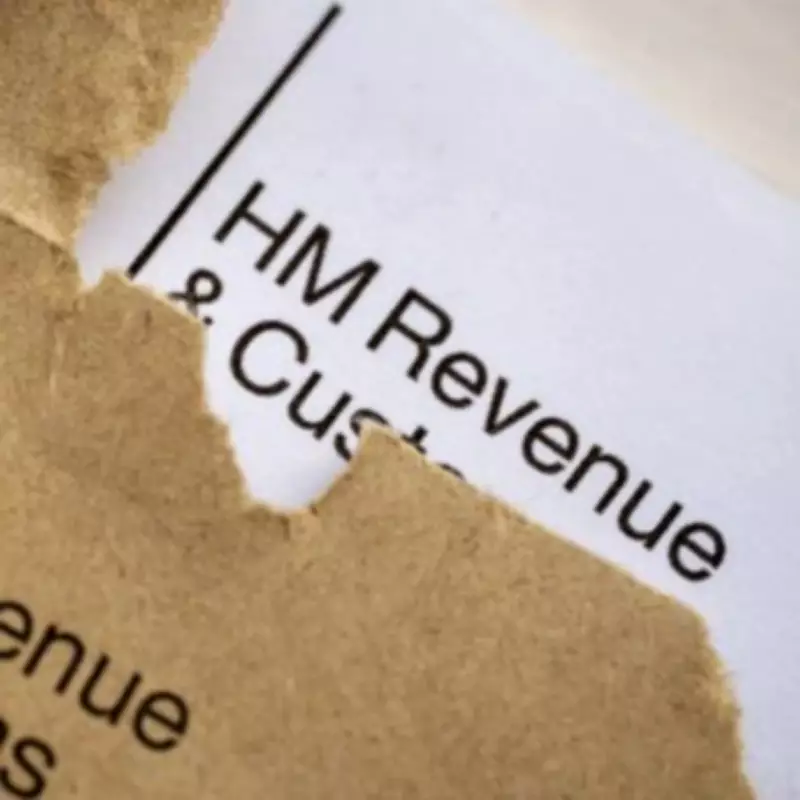
Millions of UK Workers Overpaying Tax Due to HMRC Code Errors
An estimated 5.6 million workers in the United Kingdom overpaid income tax during the 2023-24 tax year, with total overpayments reaching a staggering £3.5 billion. These significant errors are primarily attributed to incorrect tax codes within the Pay As You Earn system, which automatically deducts tax from salaries.
How Tax Code Errors Occur
Tax codes determine the amount of tax withheld from monthly paychecks. Lee Murphy, Managing Director of The Accountancy Partnership, explained that HMRC often estimates income based on outdated information on file. "Many people assume that because tax is deducted automatically through PAYE, the amount must be correct," Murphy stated. "But tax codes are based on the information HMRC has about your circumstances, and if that information is outdated or incorrect, you could end up paying too much tax without realising it."
Murphy emphasized the importance of addressing these issues promptly: "There are all sorts of reasons that can cause your tax code to be wrong, but it's something you're going to want to sort out straight away so you're not out of pocket."

Expert Advice on Checking Your Tax Code
Financial experts strongly recommend that individuals regularly verify their tax codes to avoid overpayments. Your tax code appears on several documents:
- Your payslip
- Your P60 form
- Your HMRC online account
Murphy advised: "If something doesn't look right, it's worth checking with HMRC or your employer to make sure the information they're using is accurate." He also noted that "even a small tax code error can add up over time," suggesting that people check their codes when starting new jobs, receiving pay raises, or experiencing life changes.
Martin Lewis's Warning to UK Employees
Speaking on The Martin Lewis Podcast in January 2026, the renowned financial expert highlighted the personal responsibility of taxpayers. "Do you know what your tax code is? If you're an employee you need to, because millions of them are wrong each year," Lewis warned. "If they are wrong, legally it's your responsibility not your employer's and not HMRC's, to ensure it's correct."
Lewis explained the dual risks of incorrect tax codes: "It could mean you're paying far too much tax each year. You don't want that. It could also mean you're paying too little tax. Sounds good? It isn't, because at some point they WILL catch up and make sure you pay the tax that you owe."
He described the potential consequences of underpayment: "So you could be hit, slapped across the face, with a big tax bill and not have the cash to pay it, which is a nightmare." Lewis concluded with practical advice: "So, each year when you get your tax code you should check it, and if you've never checked it before, it's worth going and finding it now and doing a check."