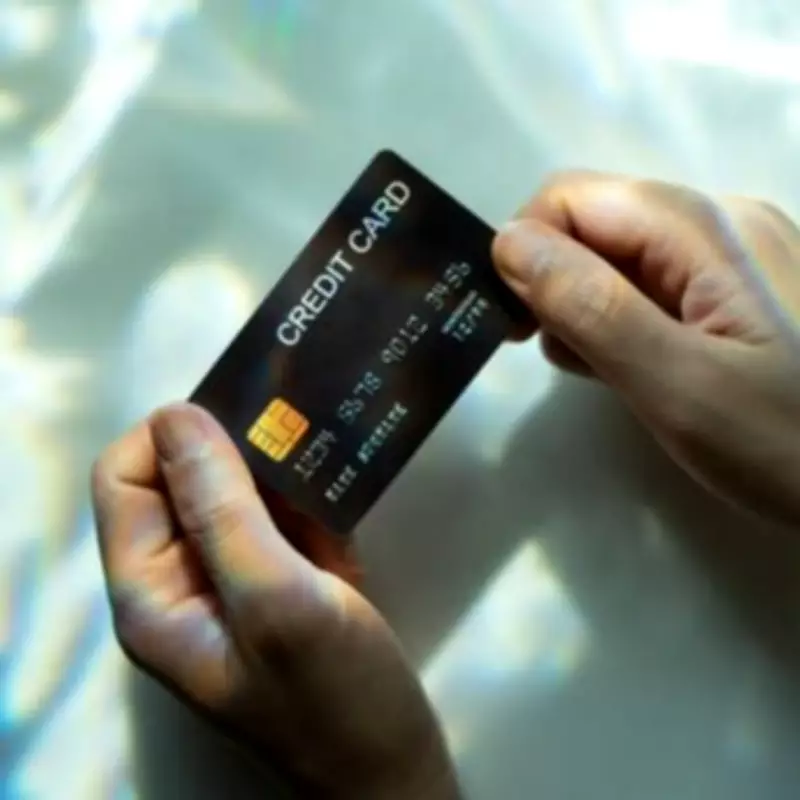
Millions of UK Cardholders Unaware Their Cards Are Technically Invalid
New research has revealed a startling security oversight affecting millions of British consumers, with three in four adults carrying debit or credit cards that are technically invalid due to missing signatures.
A comprehensive study conducted by MoneySuperMarket has found that just 24% of people have signed the signature strip on the back of their payment cards. This means a substantial 76% of cardholders are using cards that could be considered invalid under standard banking protocols.
Widespread Lack of Awareness About Card Validity
The research uncovered a significant knowledge gap among consumers, with a remarkable 94% of respondents stating they were completely unaware that an unsigned card could be considered invalid at all. This widespread misunderstanding leaves millions potentially vulnerable to payment issues and fraud.

Adding to the concern, only 24% of those surveyed reported regularly carrying and using physical cards for payments, suggesting many may be unaware of the security implications until they encounter problems.
Expert Warning About Security Implications
Kara Gammell, credit expert at MoneySuperMarket, emphasised the importance of this often-overlooked security measure. "Your signature might feel like a small detail, but it's actually an important security step," she explained. "It helps confirm that you authorised a transaction and gives you an extra layer of protection if something goes wrong."
Gammell highlighted that even in today's digital payment landscape, the signature remains relevant. "Even in an age where most payments happen through chip-and-PIN or contactless payments, your signature still matters," she stated. "If your card is ever lost or stolen, an unsigned card is far easier for someone to misuse – and harder for you to dispute."
Practical Advice for Creating Secure Signatures
The expert offered practical guidance for consumers looking to properly secure their payment cards:
- Write naturally and quickly: Speed creates authenticity and makes signatures harder to replicate
- Embrace complexity: Include your full name with middle names if applicable
- Add distinguishing features: Small details like full stops make signatures more unique
- Avoid oversimplification: Quick scribbles are easier to copy than structured signatures
"It only takes a few seconds, but signing your card could give you valuable protection if the worst happens," Gammell emphasised. "That extra peace of mind is always worth it."
The Legal Importance of Personal Signatures
Gammell further explained the legal significance of properly executed signatures. "Your signature is consciously designed and manufactured, so you're in control," she noted. "It's all the little quirks and deviations that should be treasured and celebrated because they make your handwriting more authentic and individual, and your signature legally binding and trustworthy."
The research serves as an important reminder to UK consumers about maintaining basic financial security practices, even as payment technology continues to evolve rapidly.